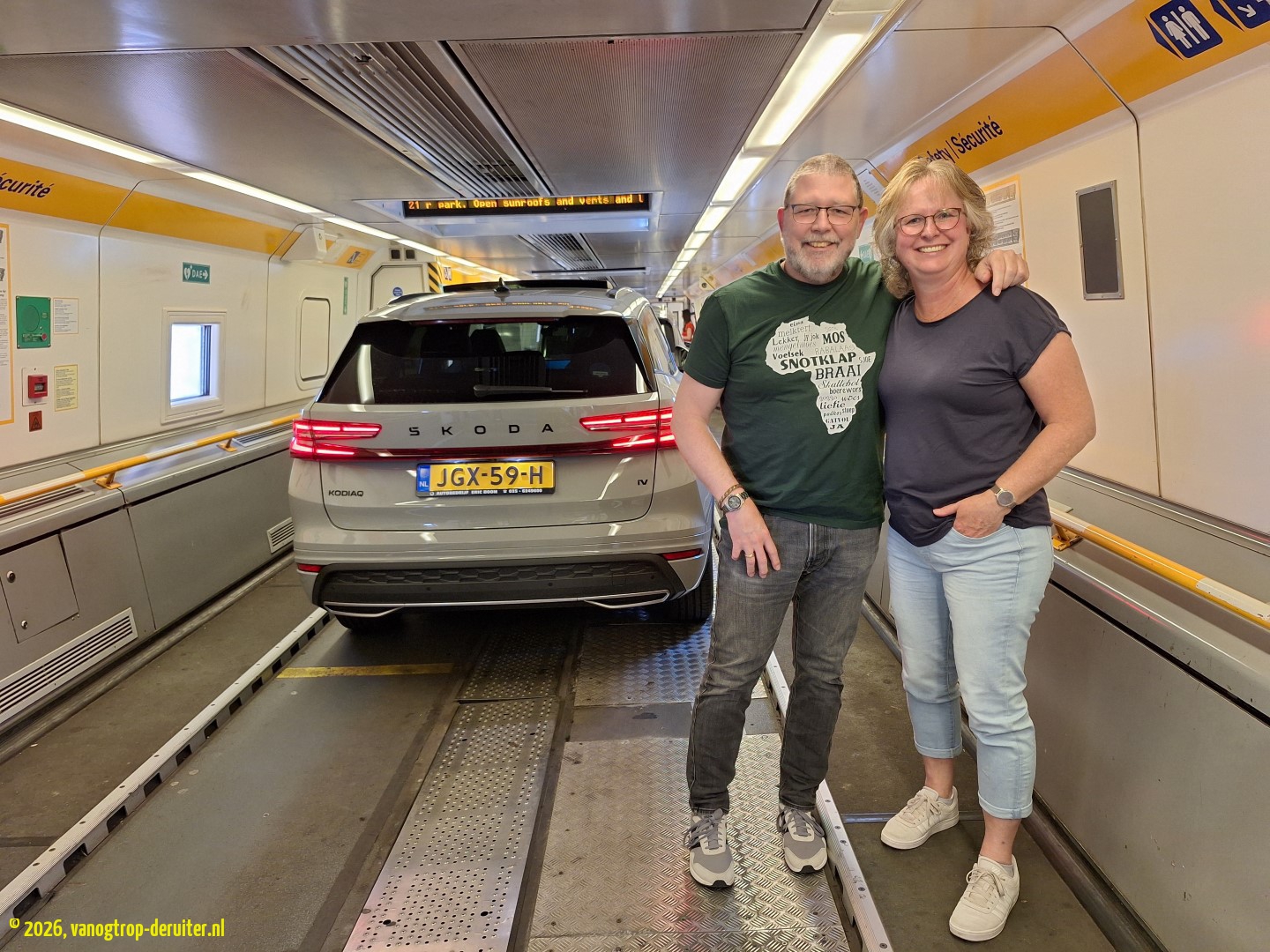
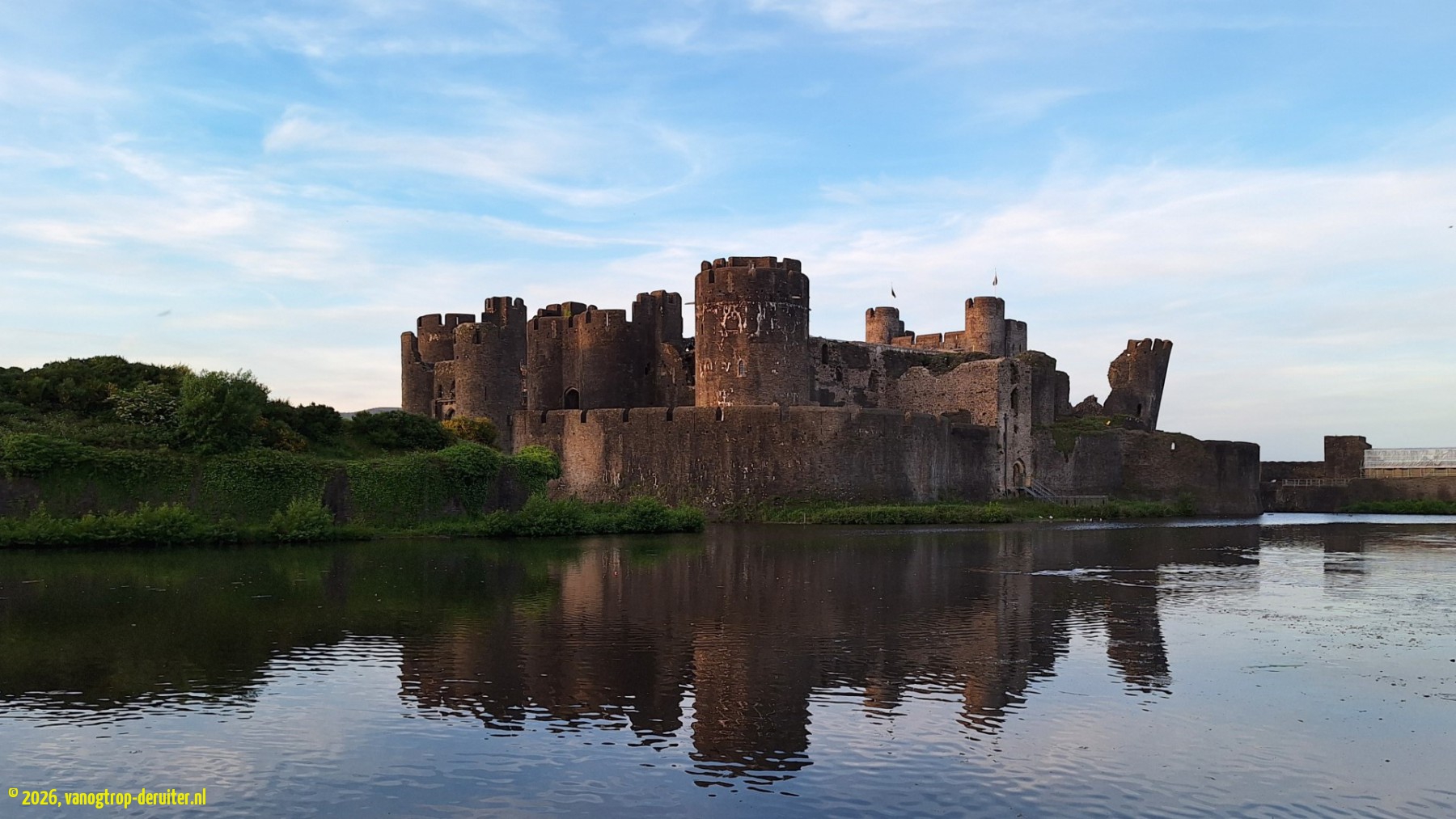
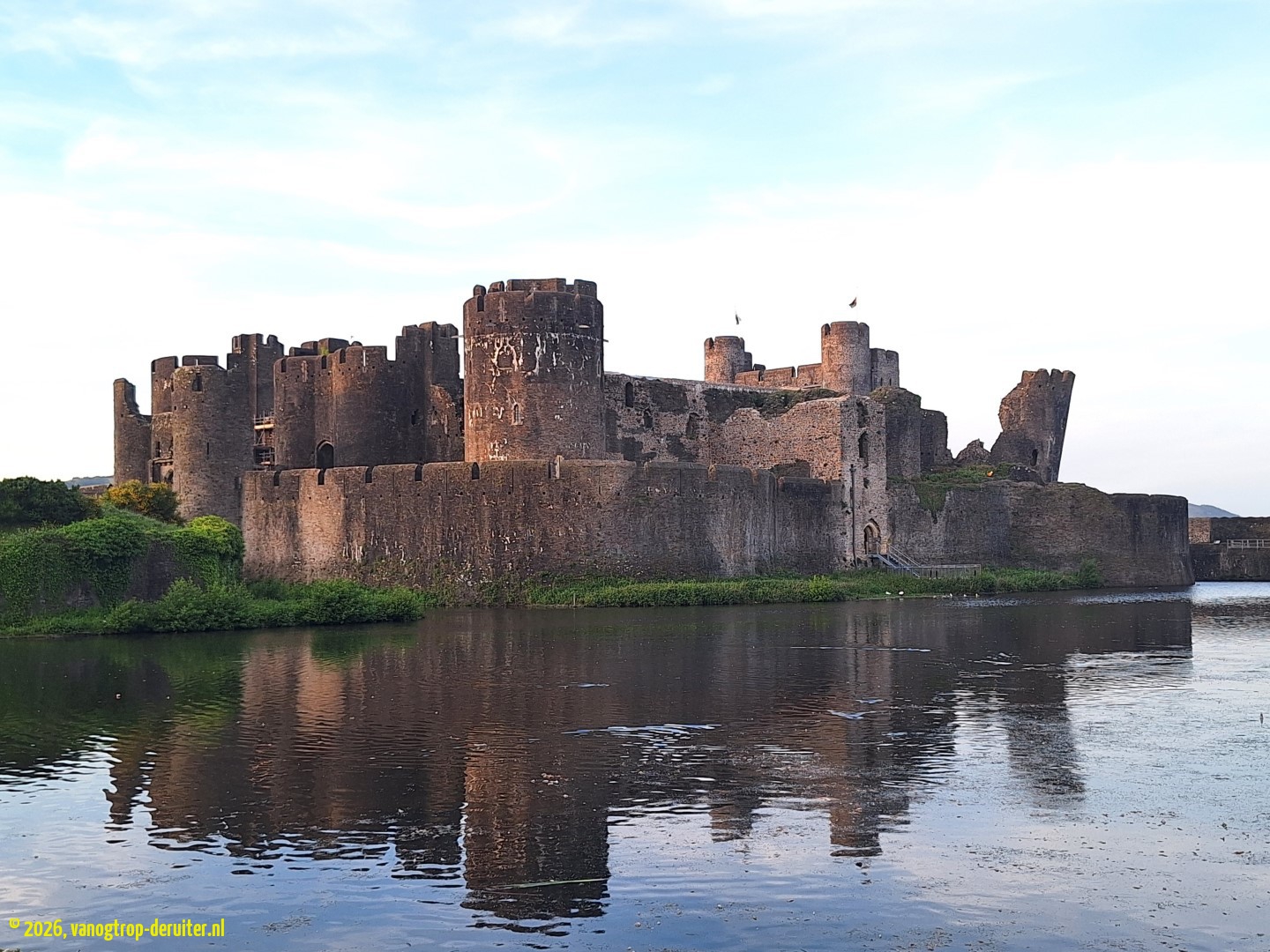
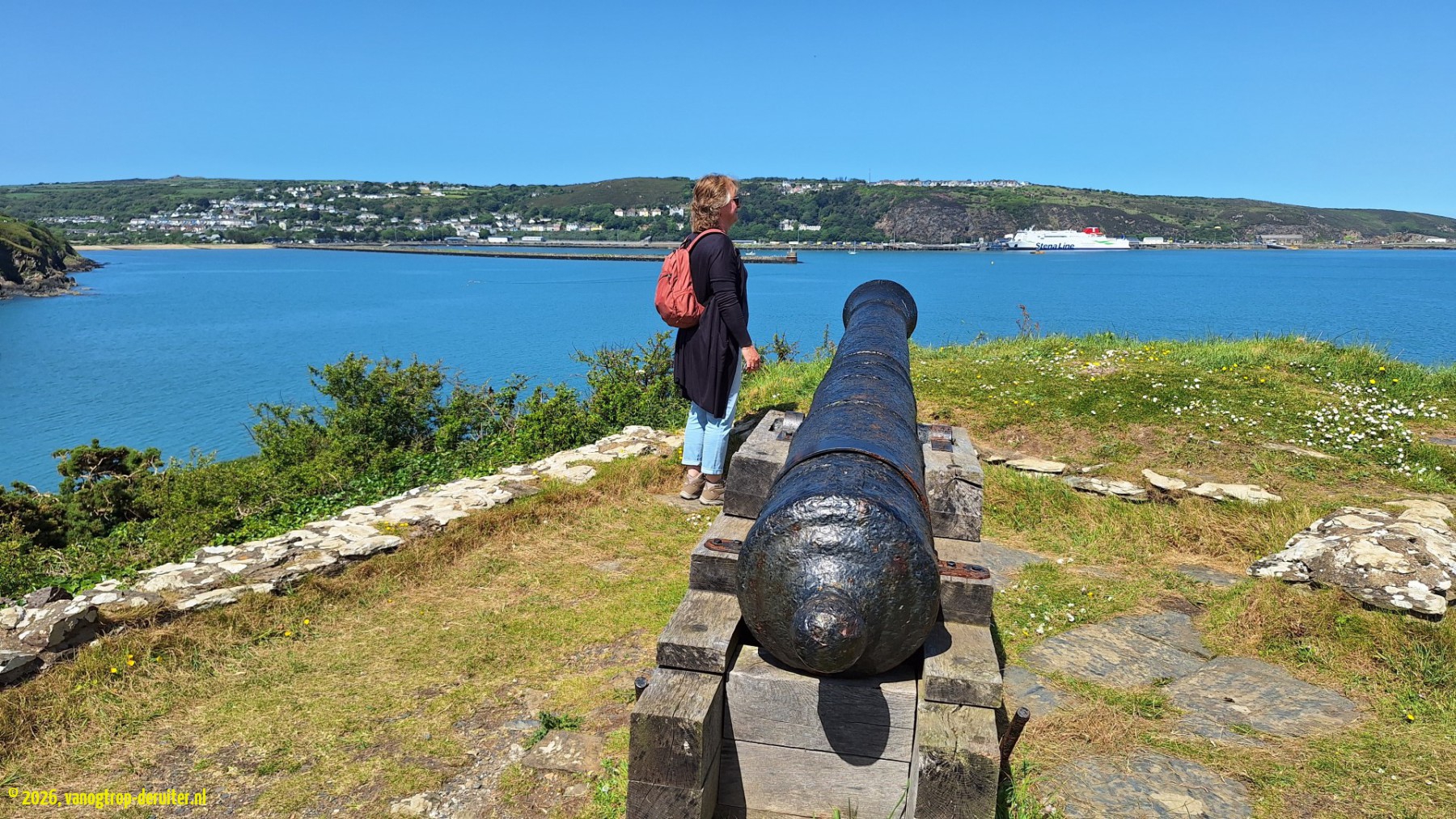
May & June 2026 saw Ellen & I fulfil a long-held desire to get to the Emerald Isle, with the choice to do this on a self-drive from home. Our first travel days were the cross-country trip from home …: firstly through Belgium & France to get to Le Shuttle for the train crossing; in England we had a lunch date and visit with uncle John, and later in the afternoon we headed to Caerphilly in south Wales for our overnight stop. There we walked around Caerphilly Castle and the town centre. Our second travel leg was a relatively easy stint to get to Fishguard for the ferry crossing – we took the tourist route, stopping off at Fishguard Fort for a good view of the harbour and bay. The 3½-hour ferry crossing to Rosslare was sunny and uneventful, and within 40 minutes of our arrival we were at our friends, Steve & Trish, were we would spend the next three days.
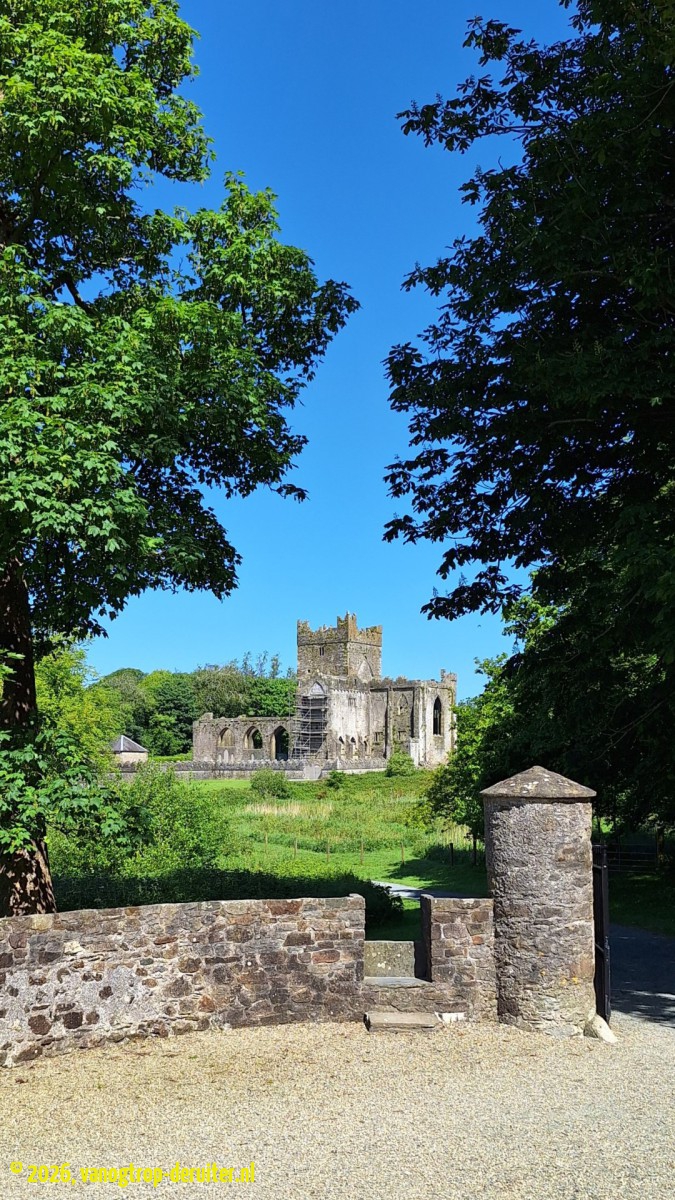
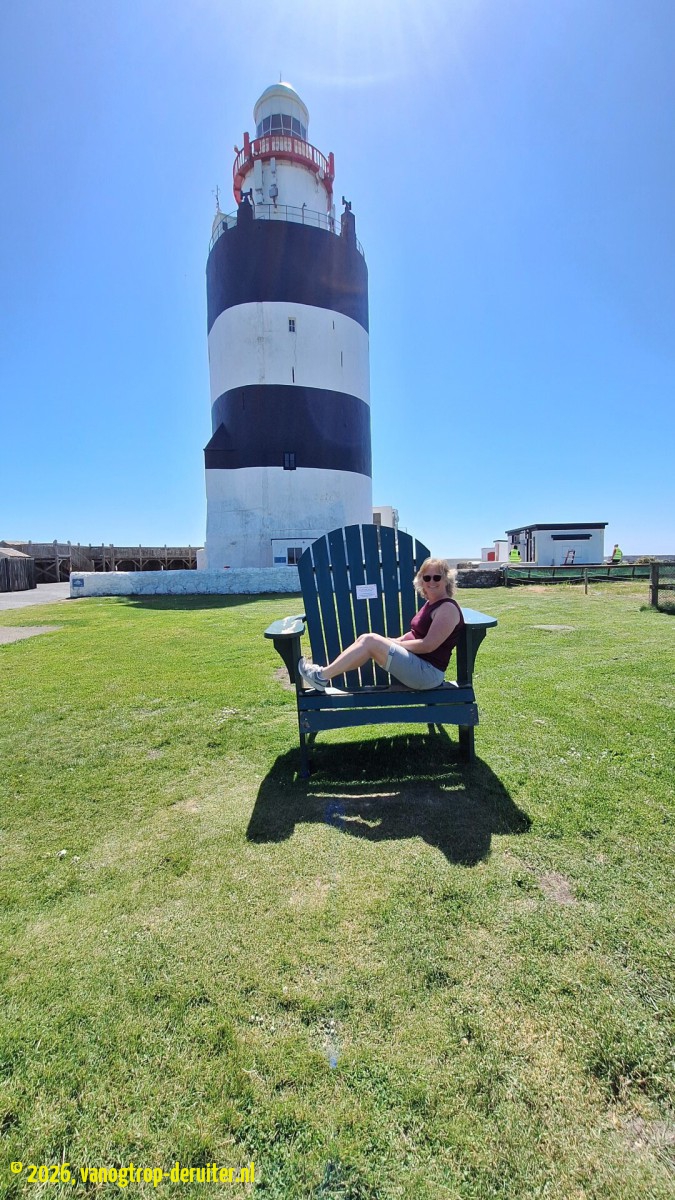
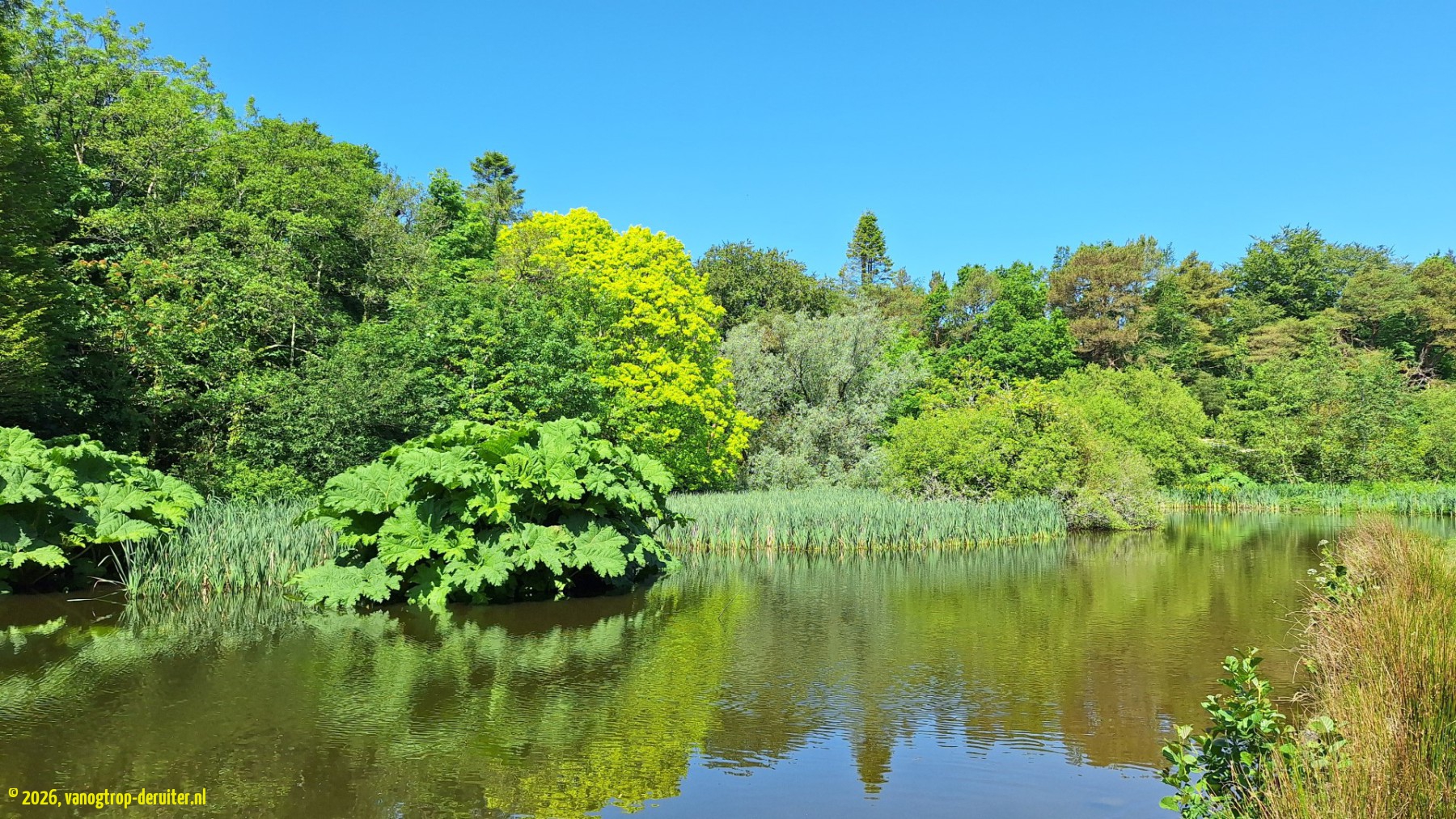
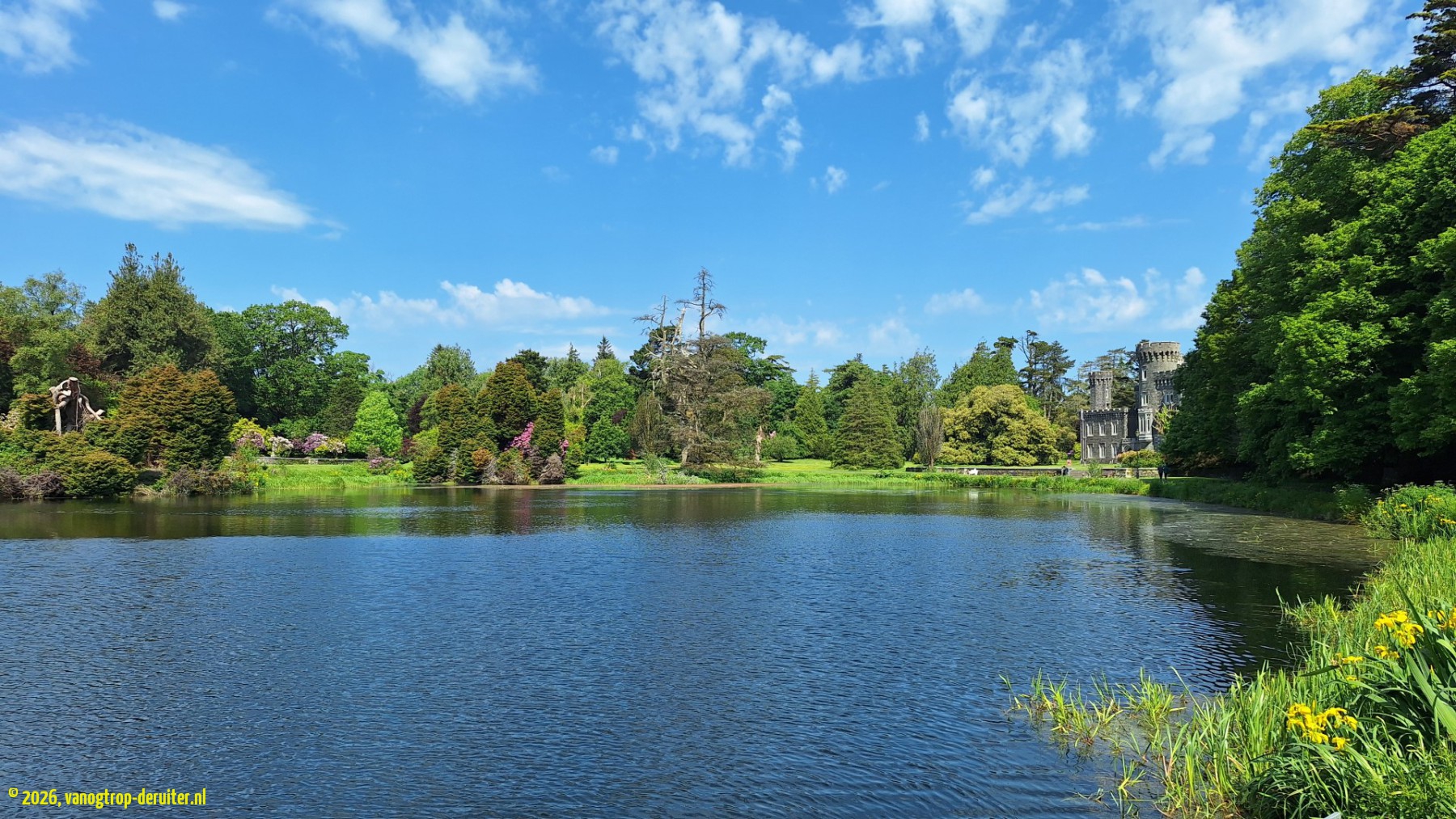
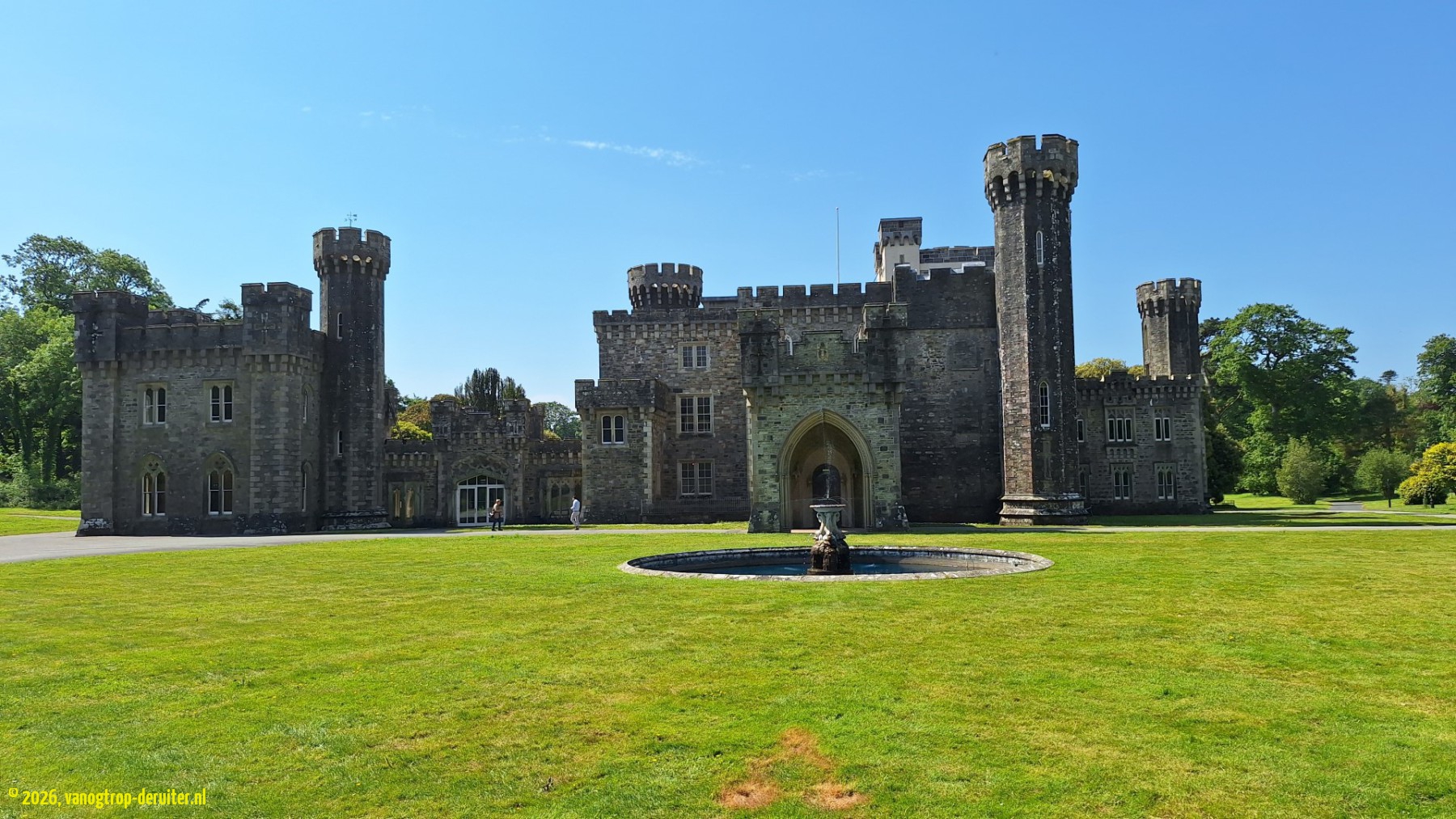
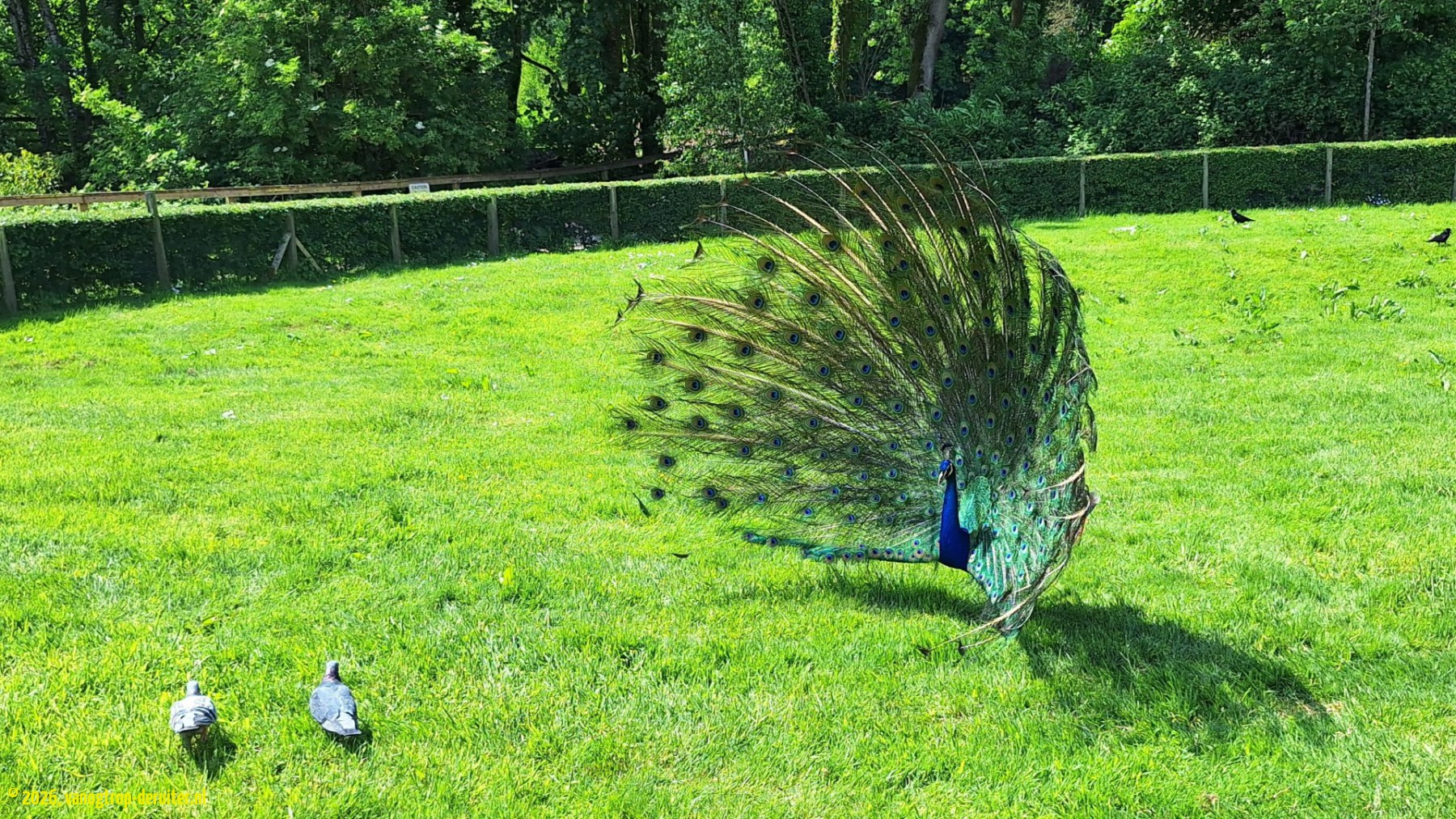
Sunny south-east Ireland lived up to its name, with very pleasant warm weather and blue skies. Our local plans were well supported by this, with a visit to Tintern Cistercian Abbey (the Irish one, dating back to the 13th century) and Hook Lighthouse (at ±800 years old, the second oldest operational lighthouse in the world). We also visited the JFK Arboretum, and included the impressive view from the Slieve Coillte viewing point. Our last visit here was to Johnstown Castle and it’s museum, a wonderful neo-gothic castle surrounded by lovely gardens and lakes (here we were also treated to a wonderful peacock display).
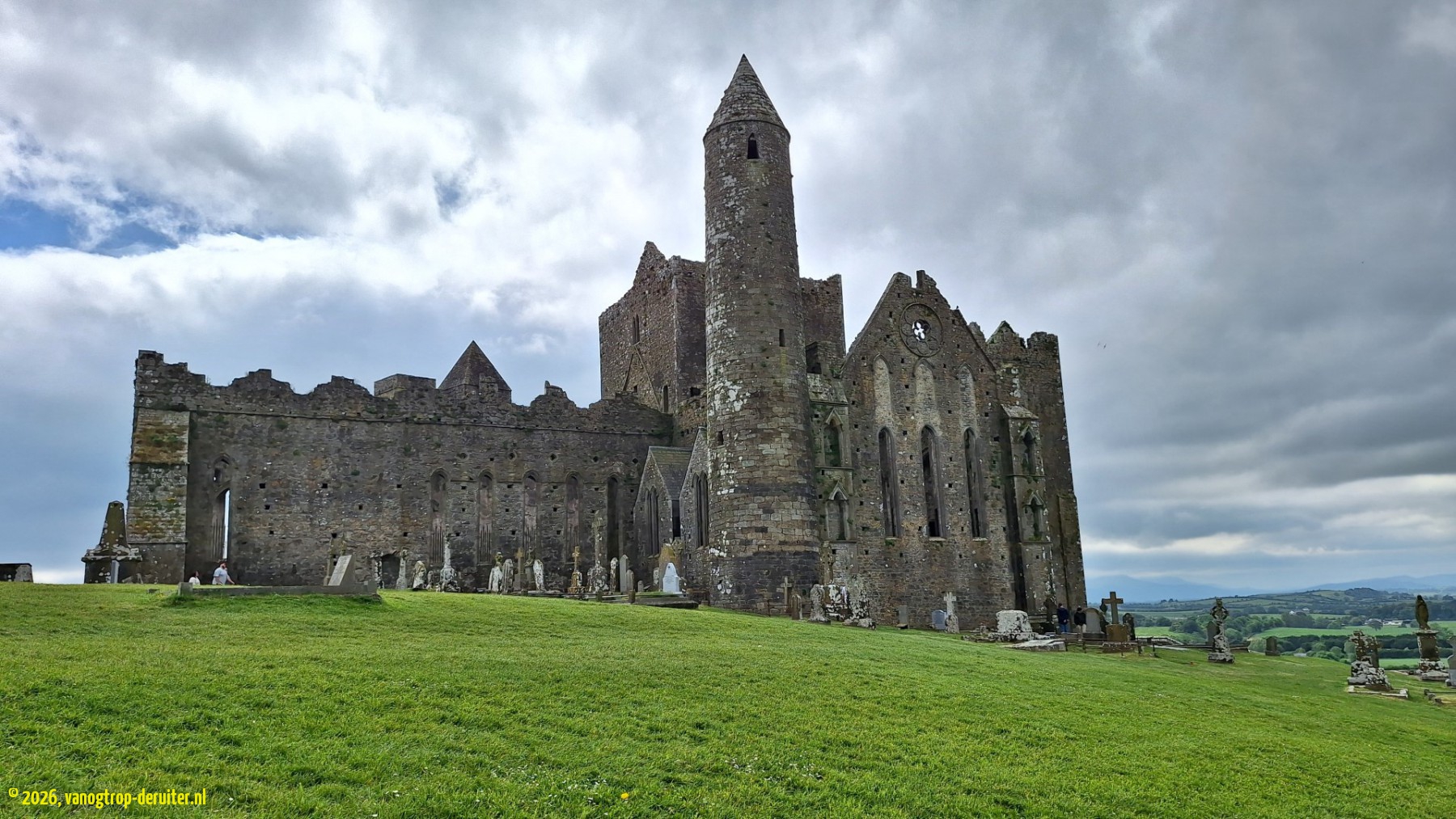
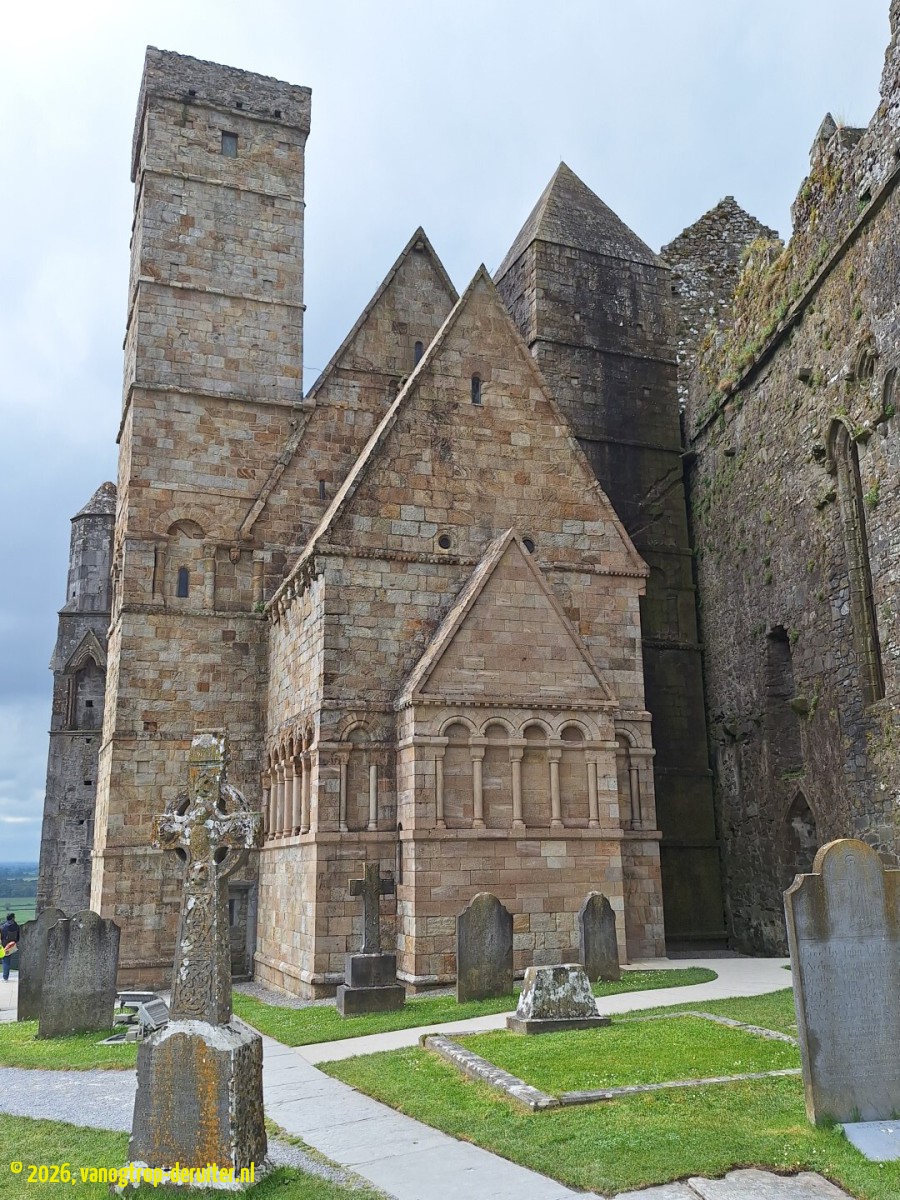
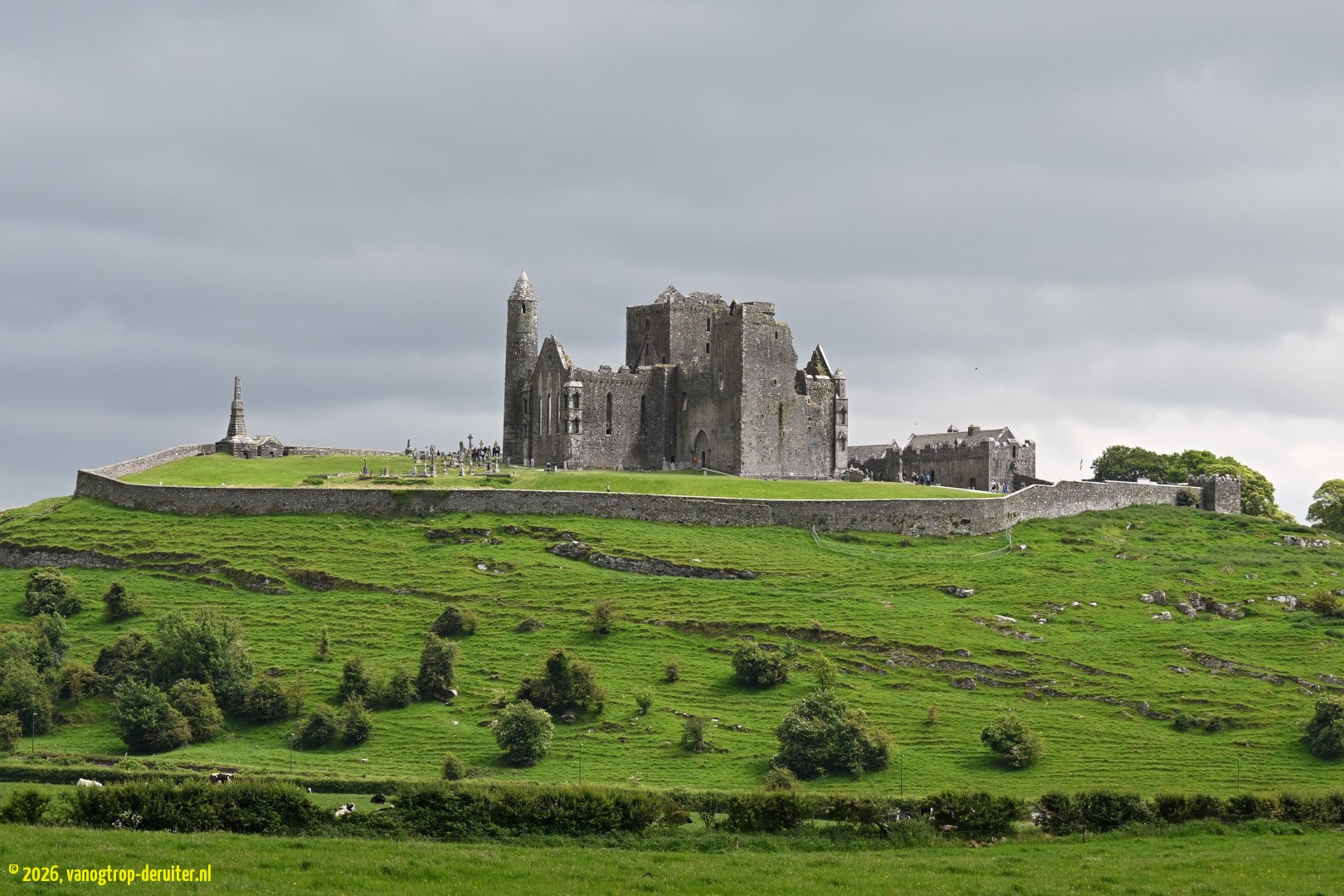
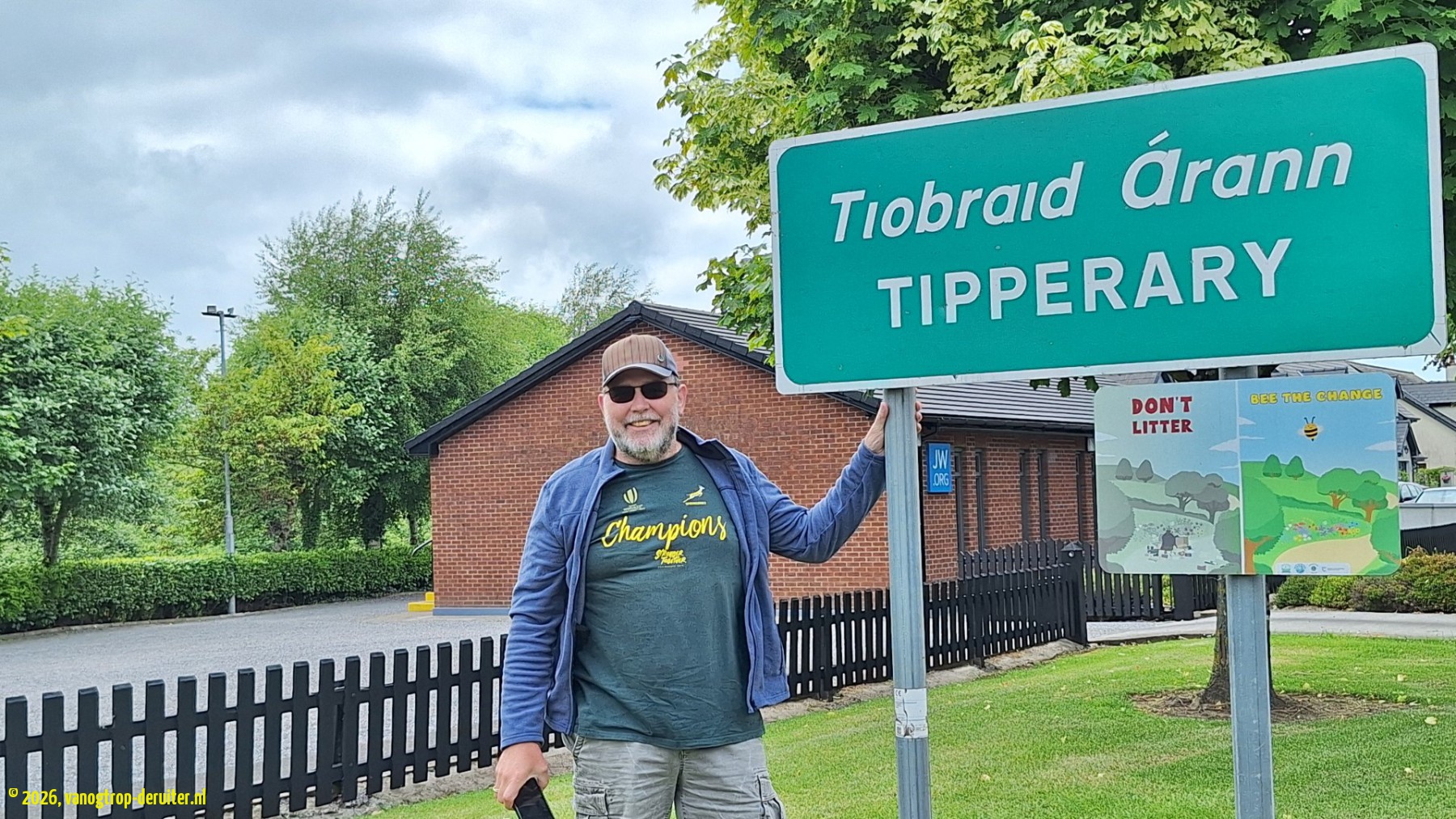
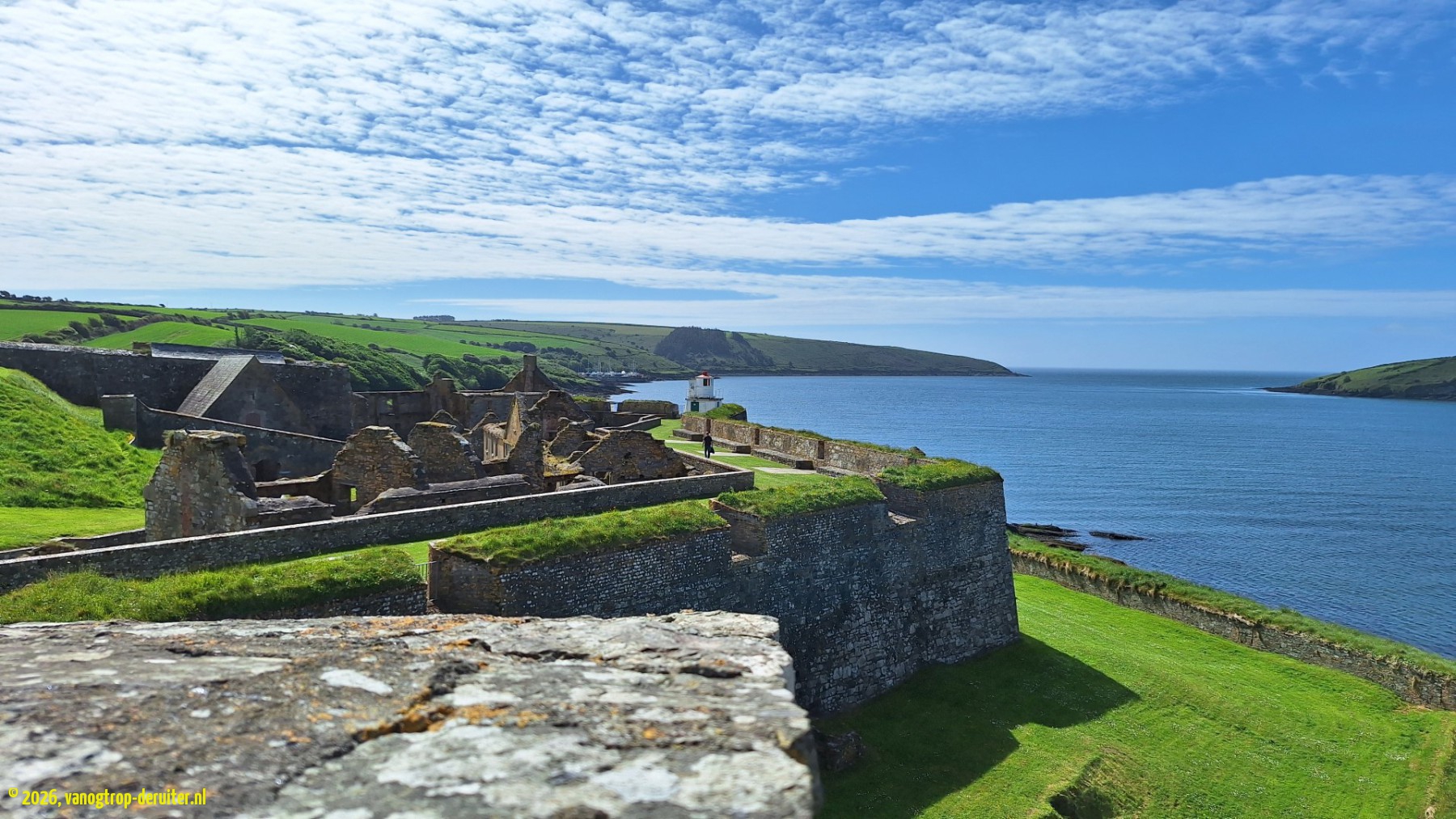
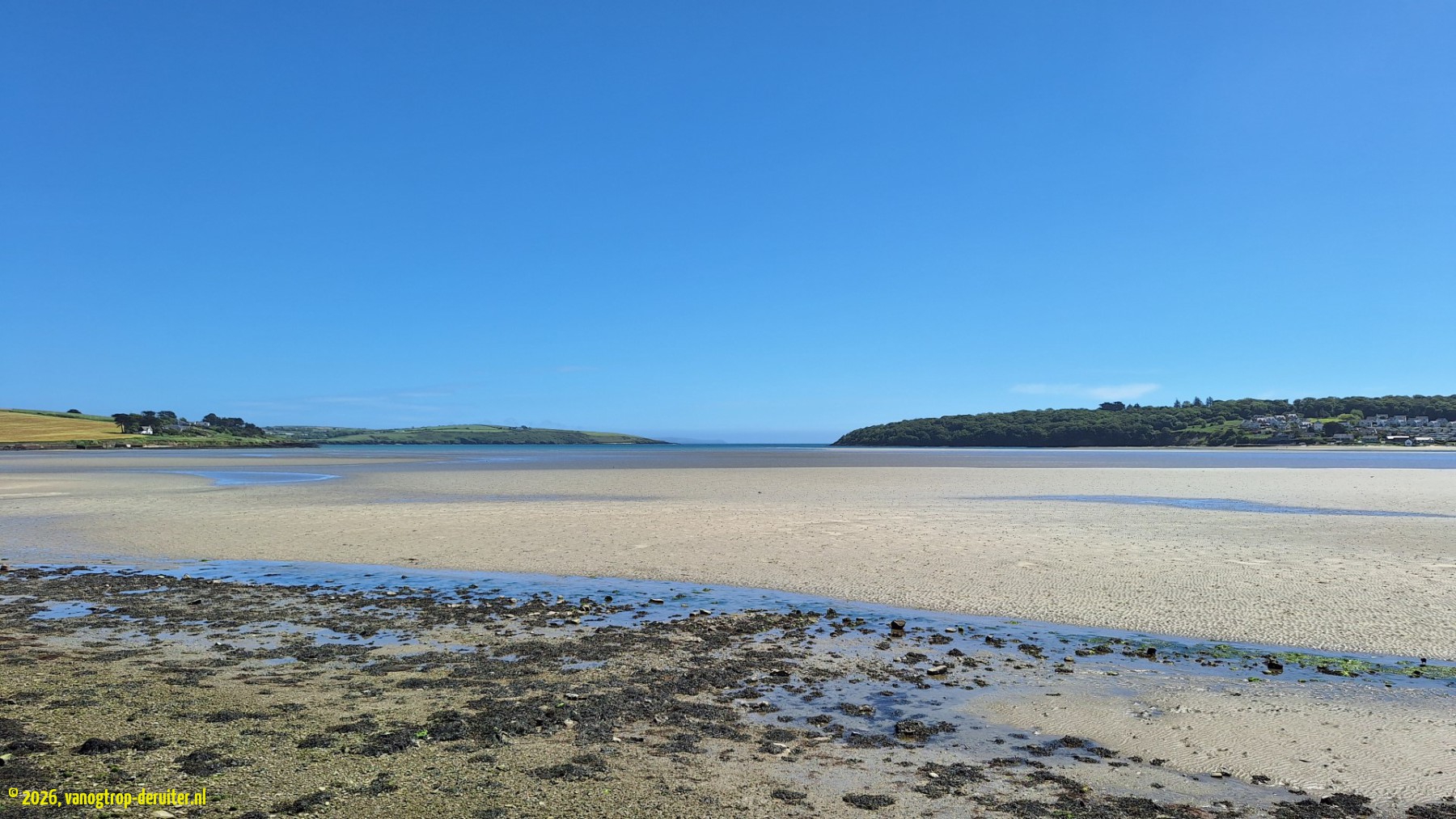
We left County Wexford and headed to the Rock of Cashel – the largest collection of medieval buildings in Ireland, including a Gothic cathedral and a Romanesque church with frescoes, with a deep religious and royal history; from there via Tipperary (yes, it’s a long way … 😁) to our overnight stop close to Cork. For our further drive we had planned to meander along the coastal road from Kinsale – this would be our first overlap with the Wild Atlantic Way. In Kinsale we visited Charles Fort, an impressive fortification with a long history. Our further journey to Killarney was via Timoleague, Clonakilty, Rosscarbery, Skibbereen, Bantry & Kenmare; on the way our only additional stop was at the Maughanasilly Stone Row, which was a little difficult to find and a little underwhelming.
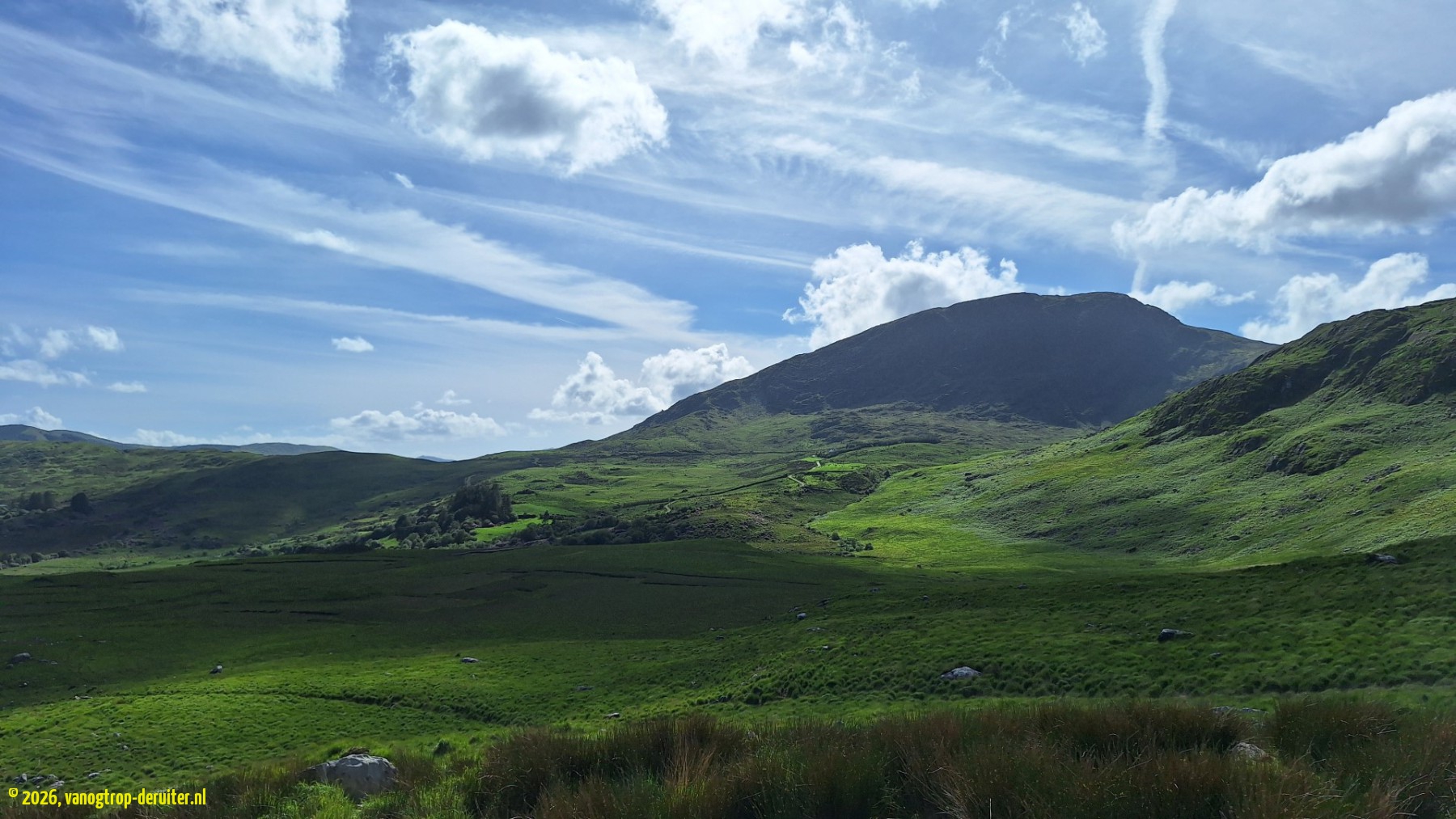
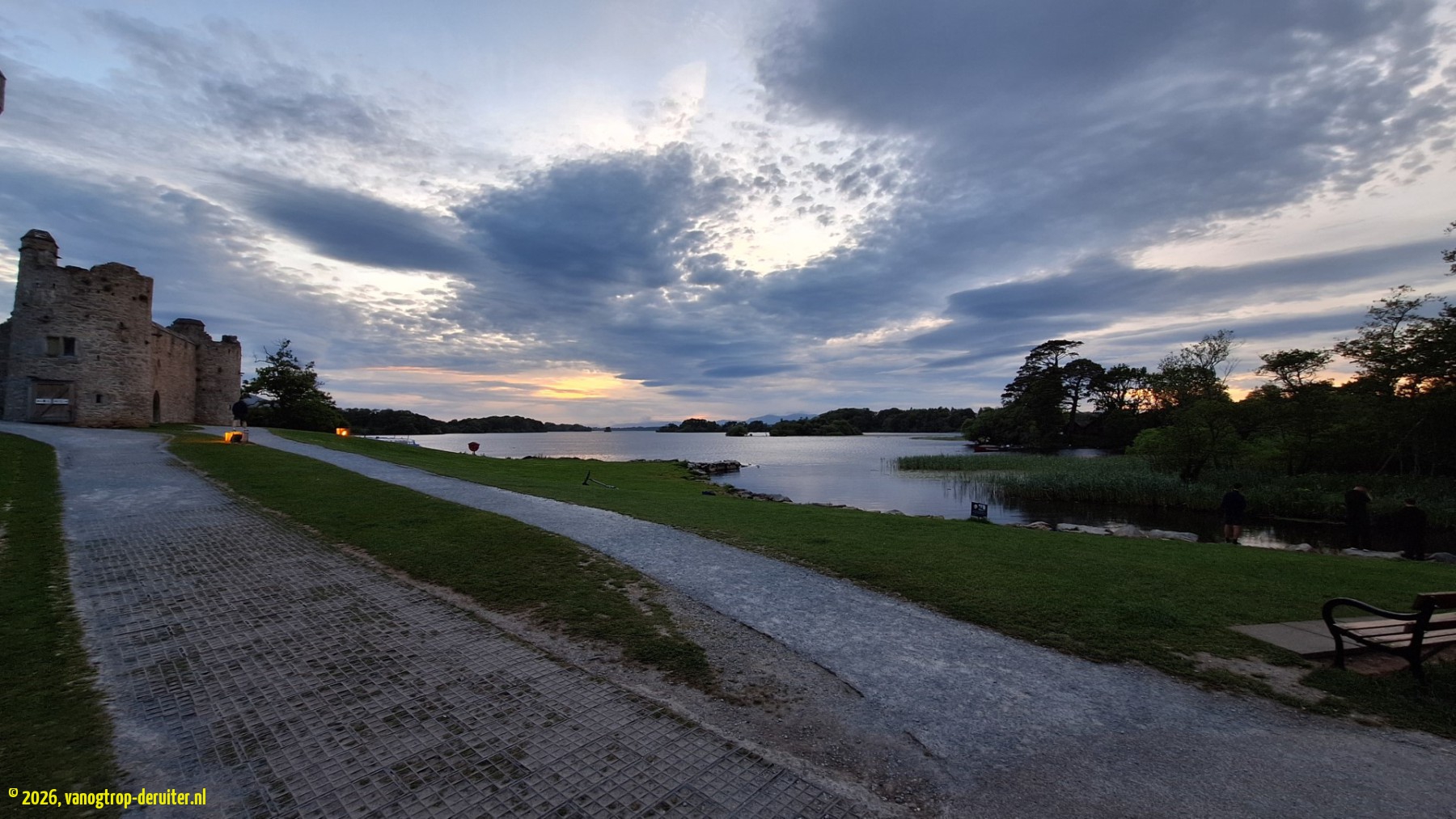
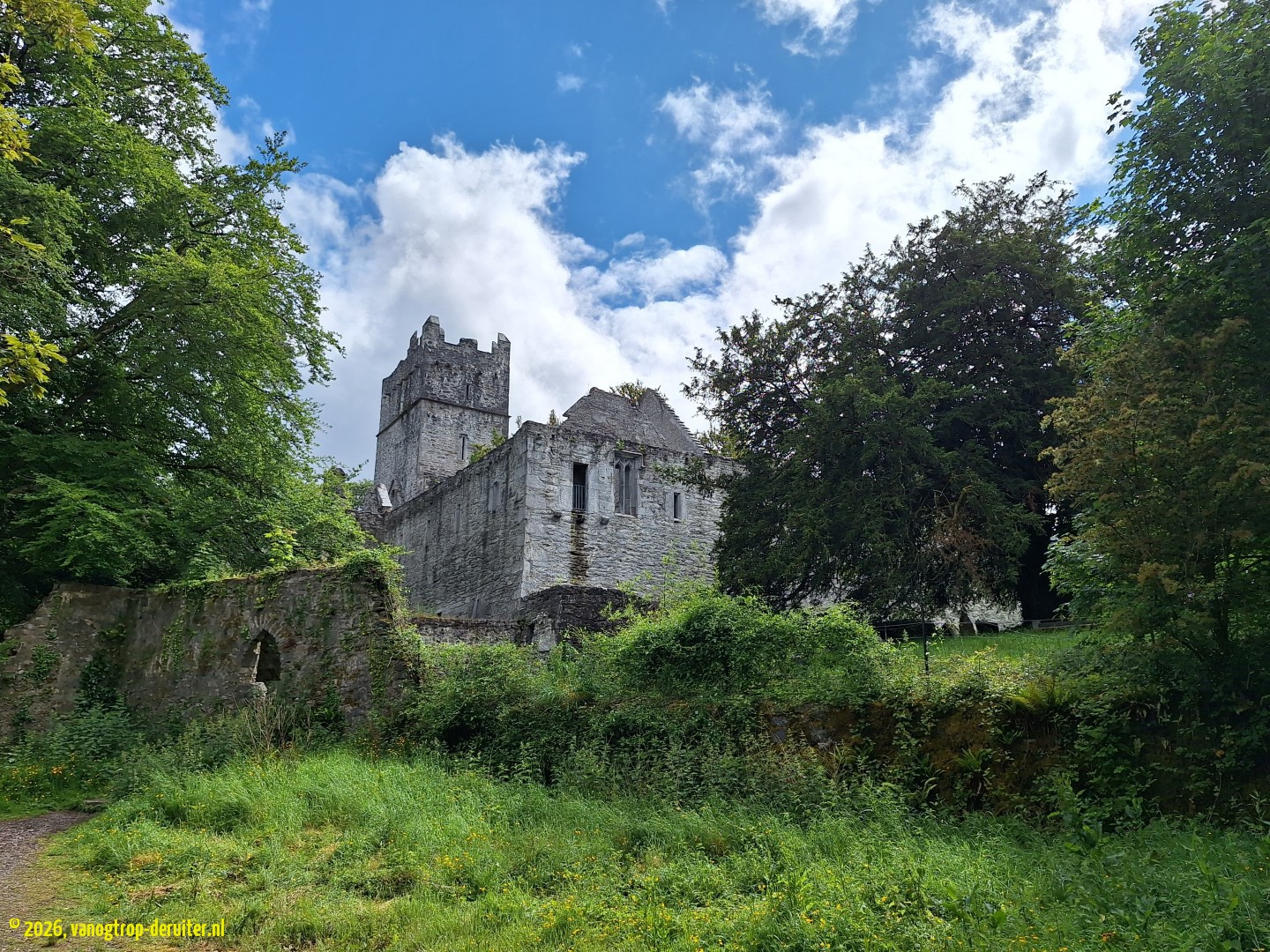
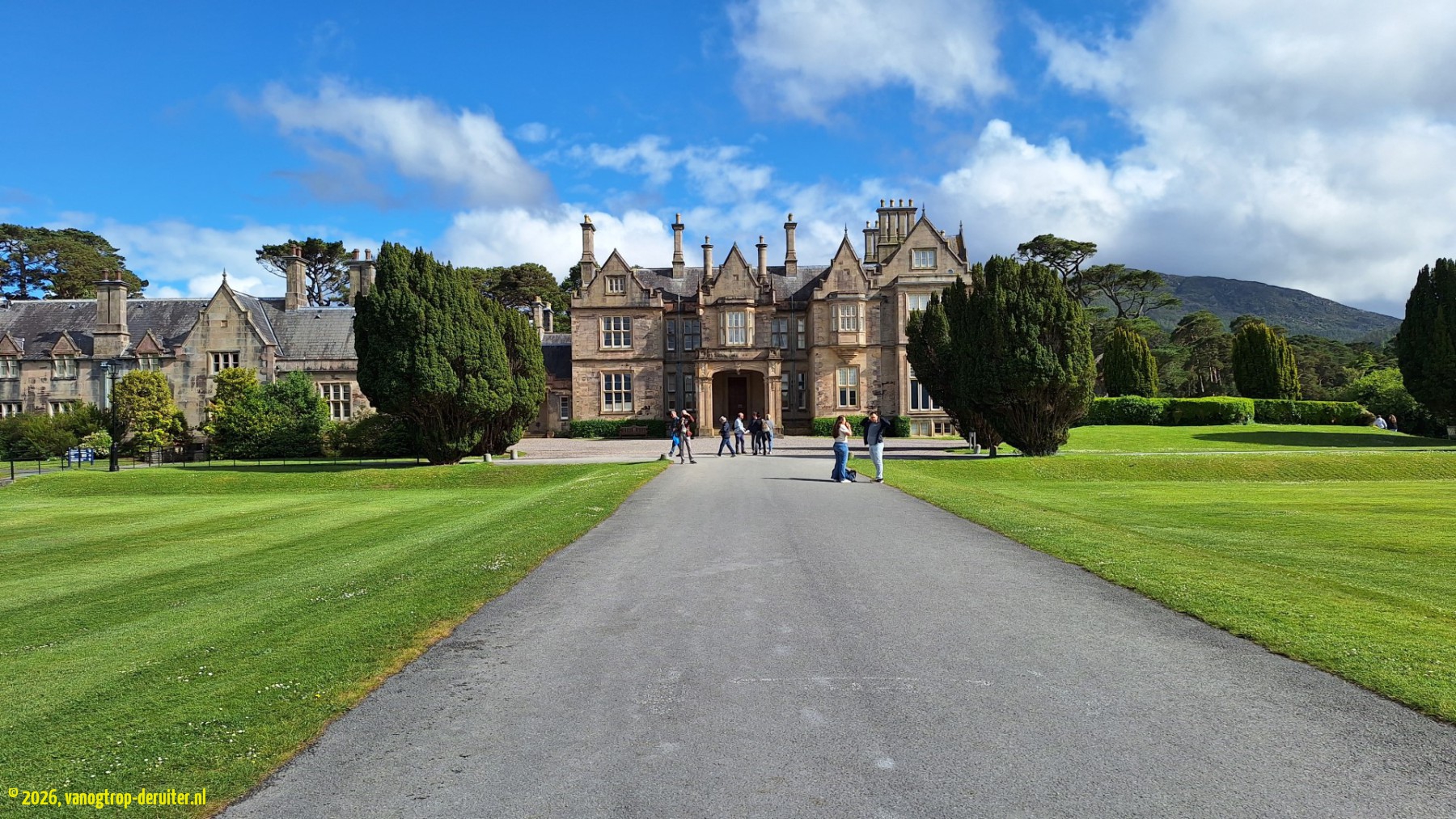
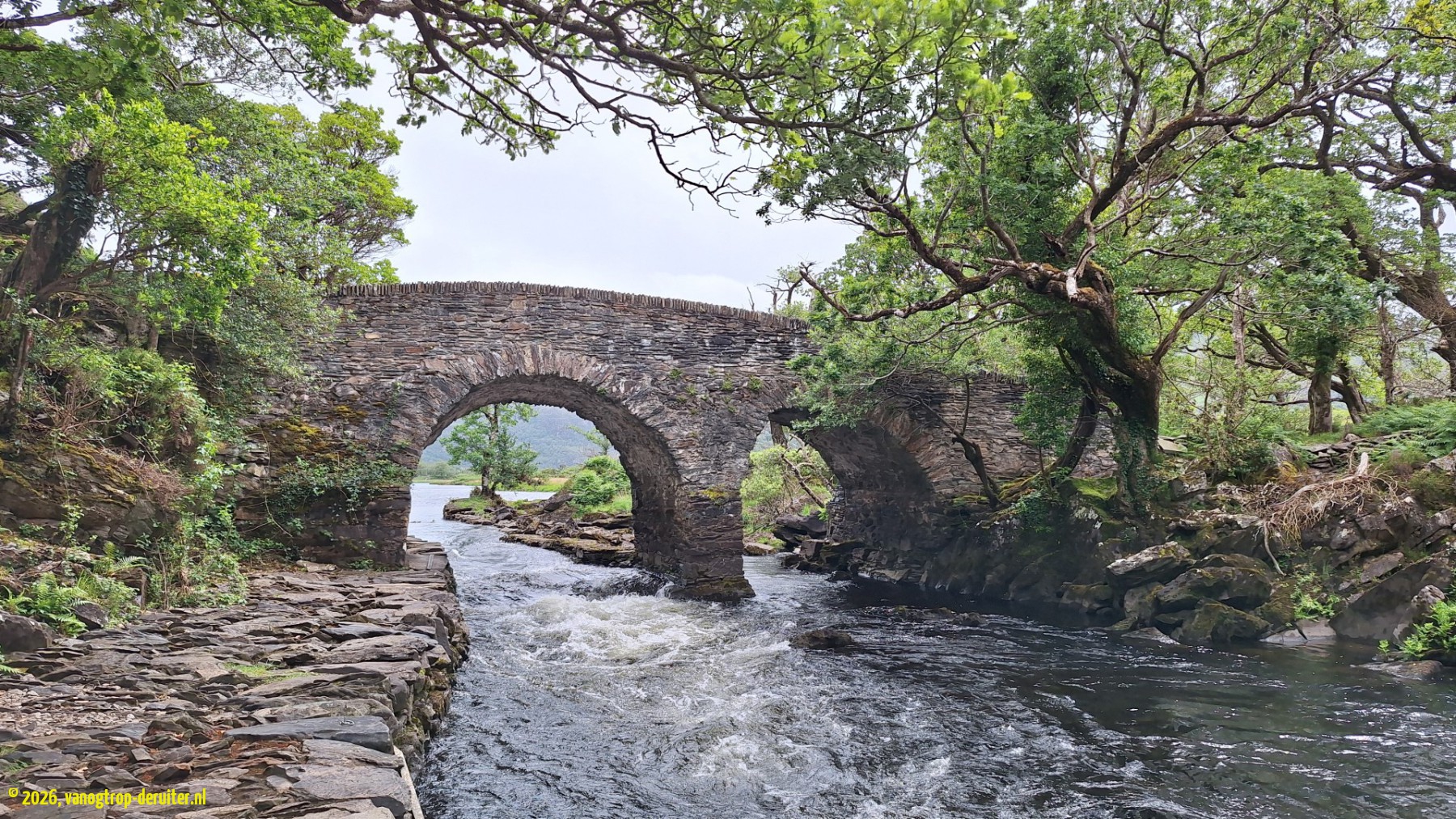
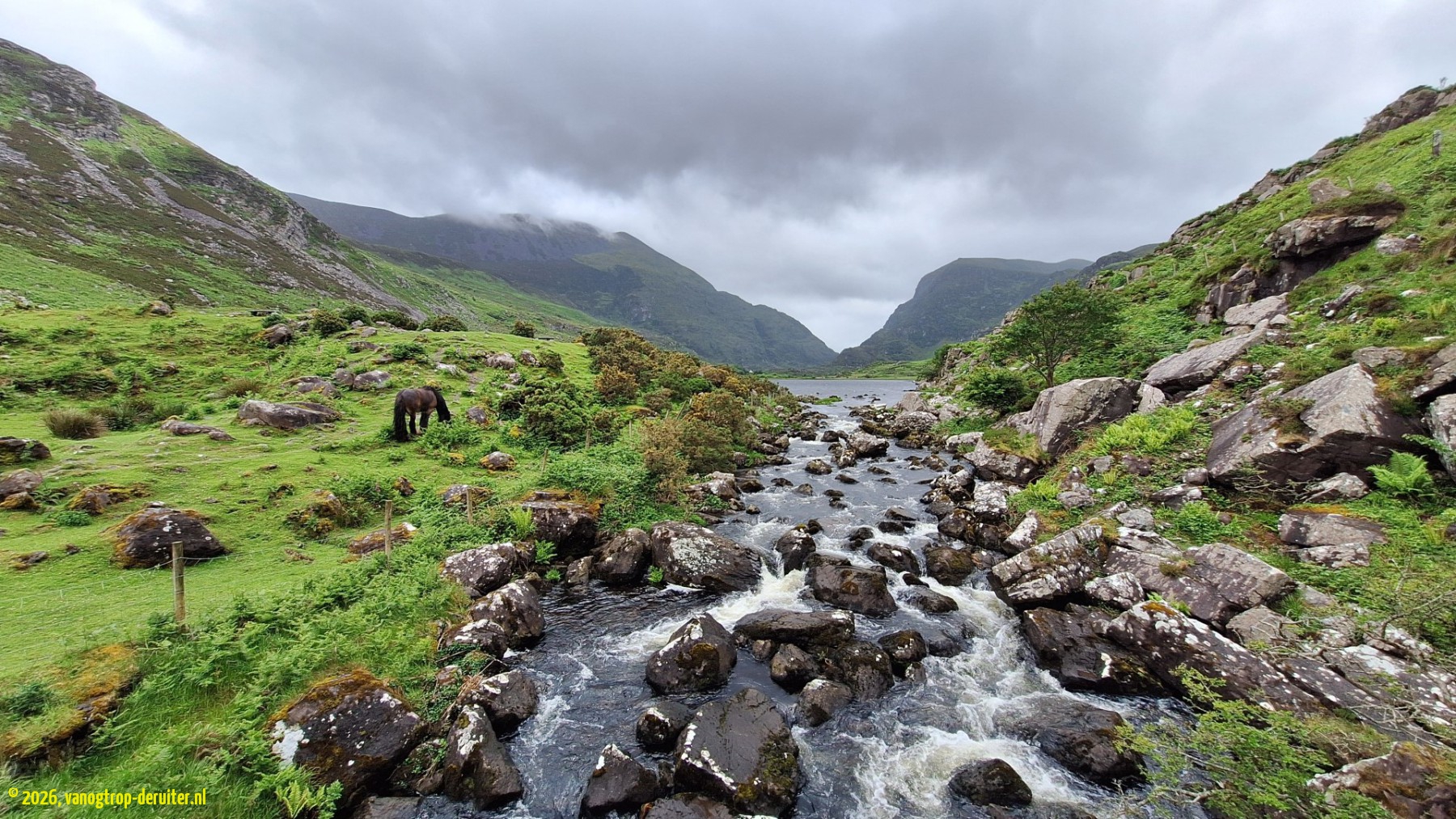
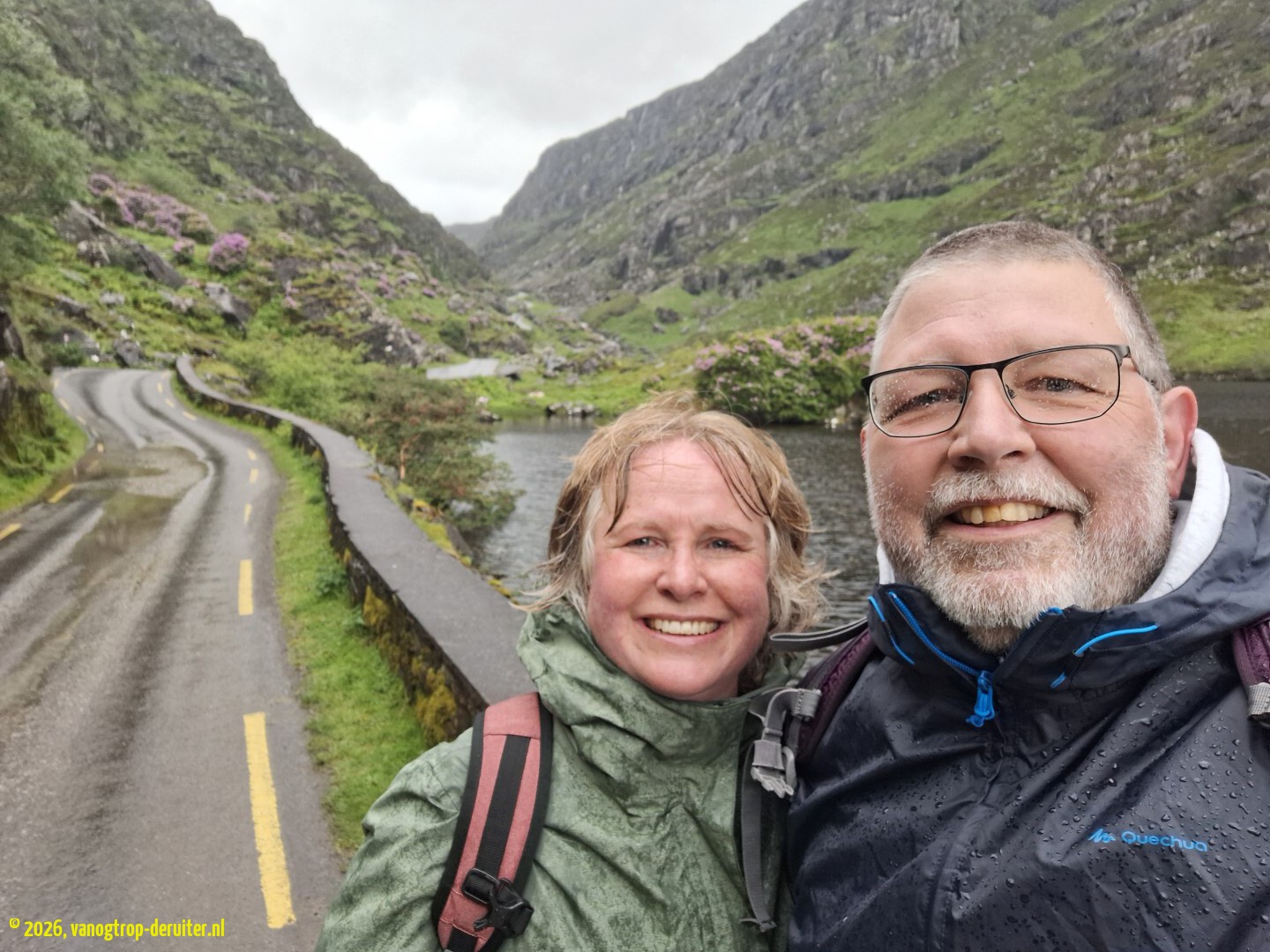
Our arrival in Killarney coincided with the start of a long holiday weekend and a huge motorcycle event; busy doesn’t get close to describing it! But we had a cottage in a quiet location, our only ‘problems’ were the delays in our supermarket trips. We had a full week here, chosen so that we would have the flexibility to adjust plans based on weather conditions – good choice, considering all the activities here. Enough to do, and we had multiple walks in the Killarney National Park; we also visited Ross Castle, Muckross Abbey & Muckross House, and walked to Torc Waterfall, the Meeting of the Waters as well as the Gap of Dunloe.
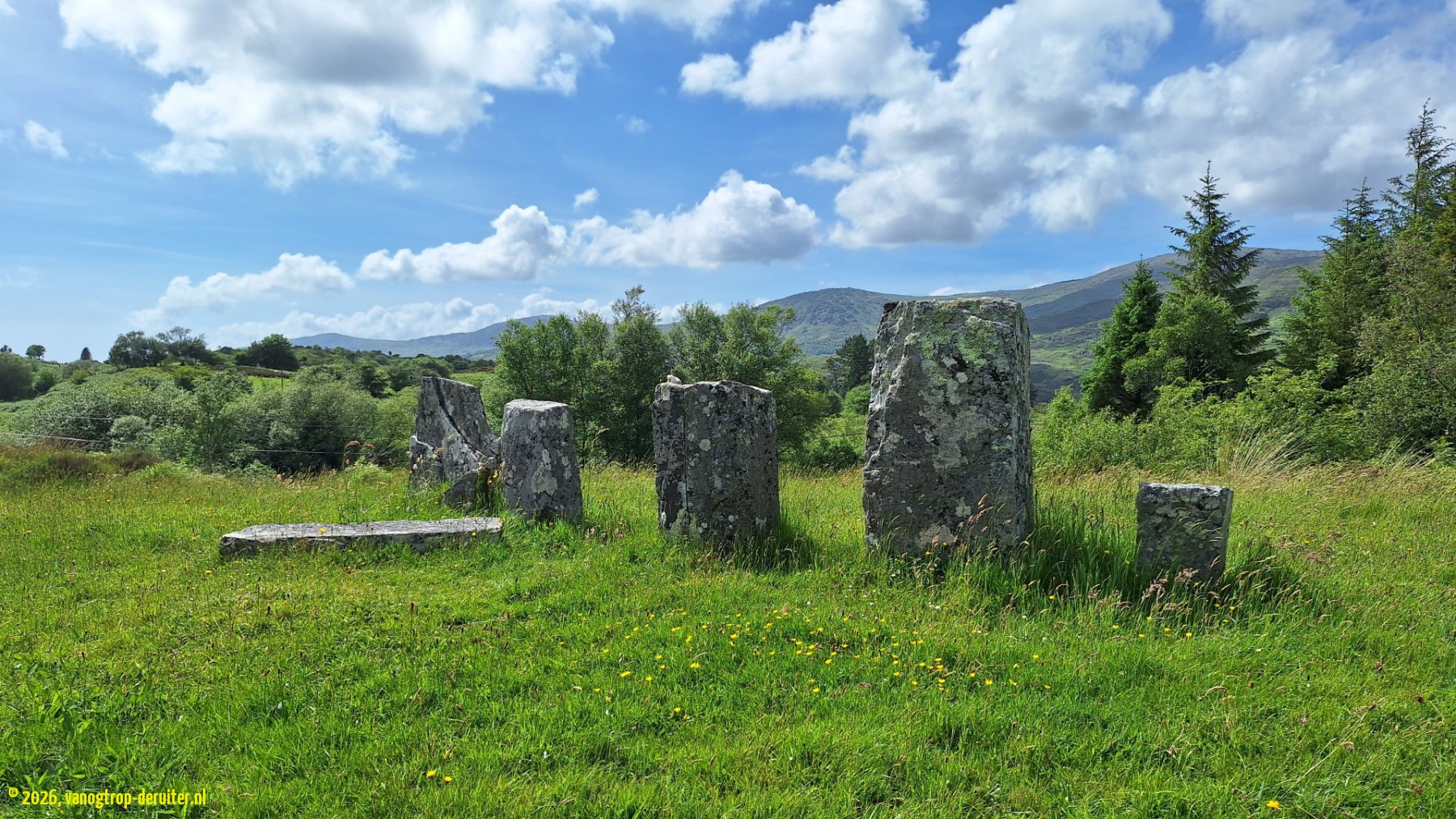
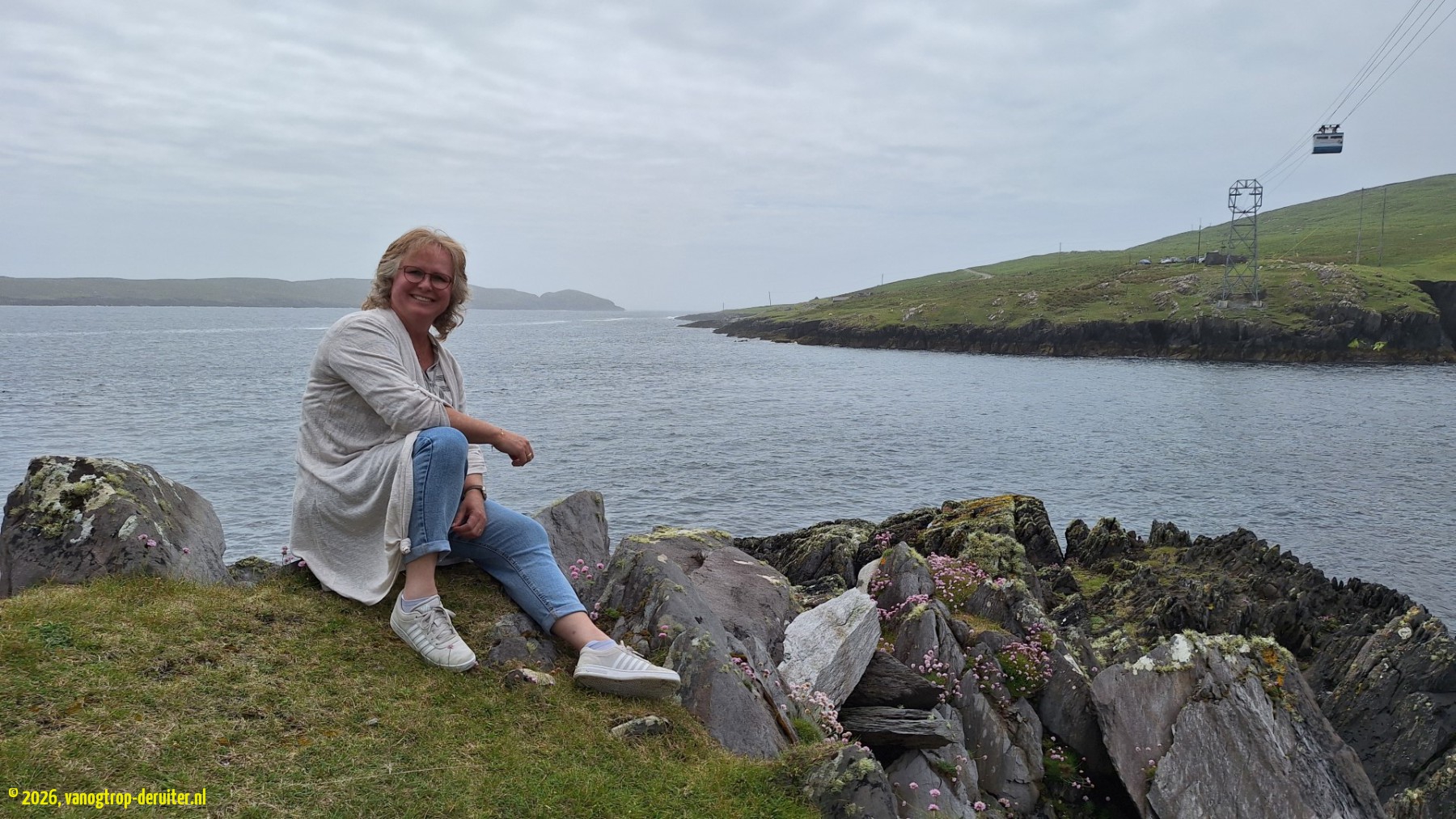
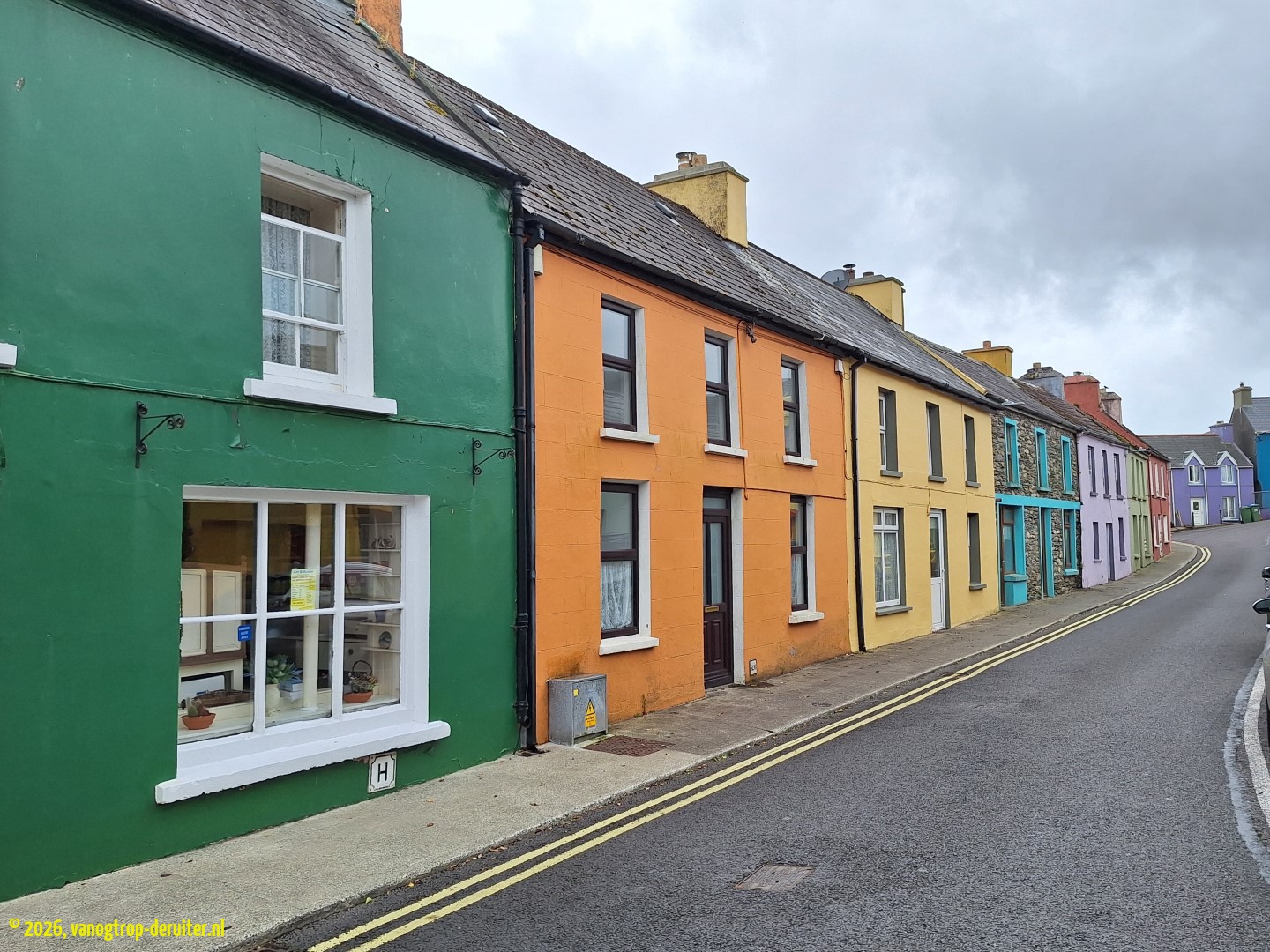
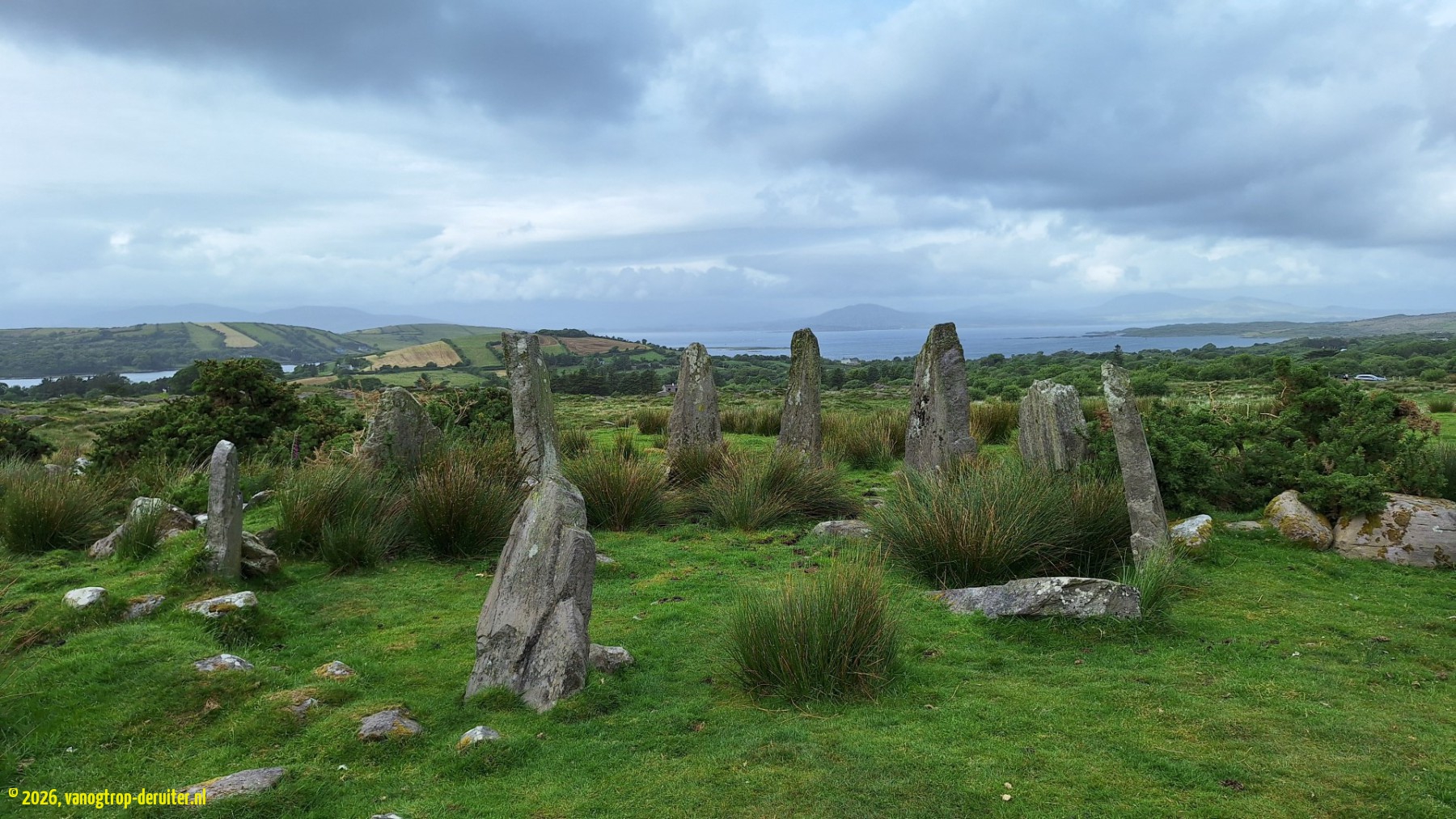
Our first daytrip was the Ring of Beara – a clockwise drive via Glengarriff and Castletownbere to the cablecar station serving Dursey Island, and returning through the colourful villages of Allihies and Eyeries with a stop at the Ardgroom Stone Circle to end up in Kenmare.
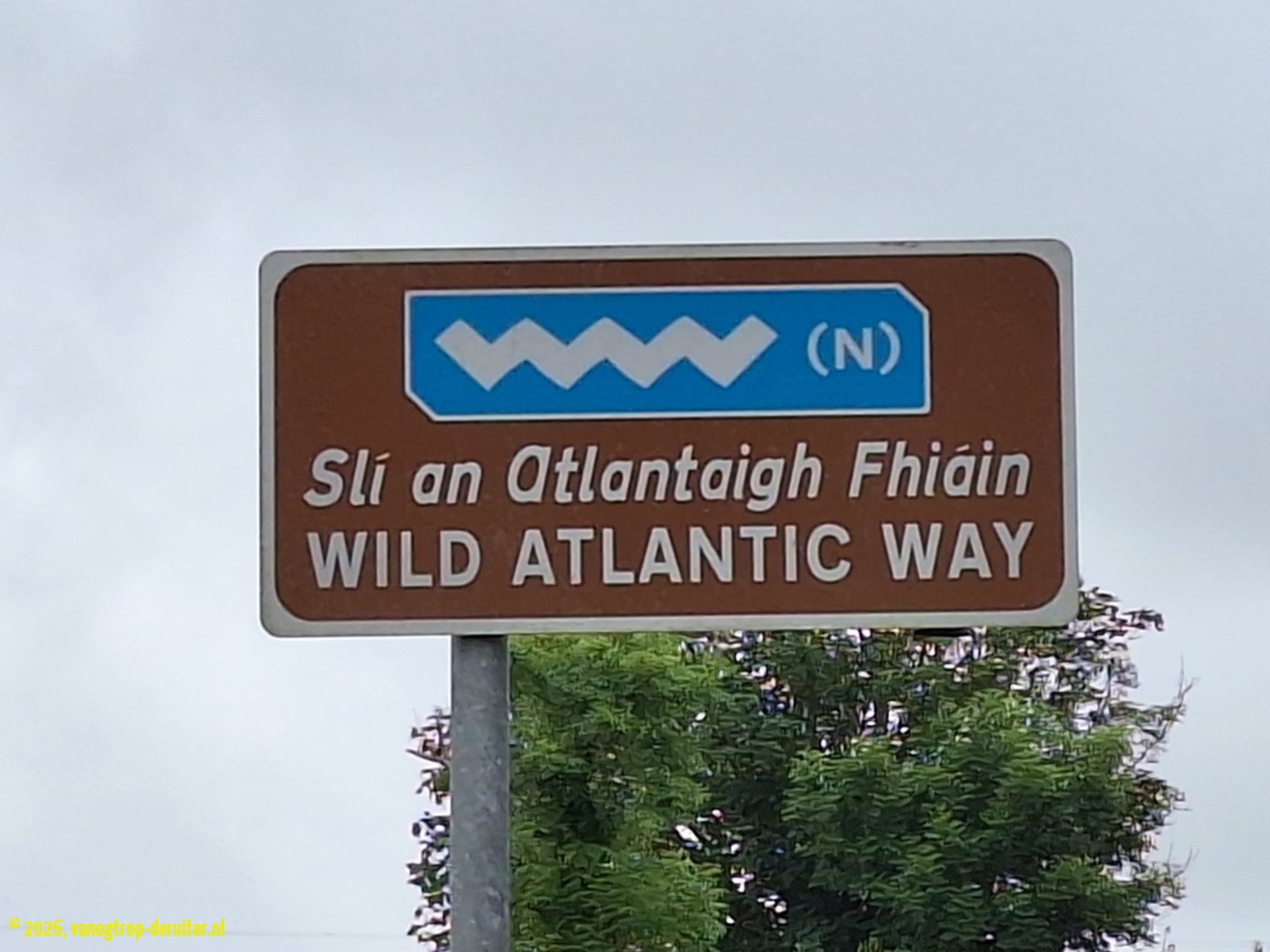
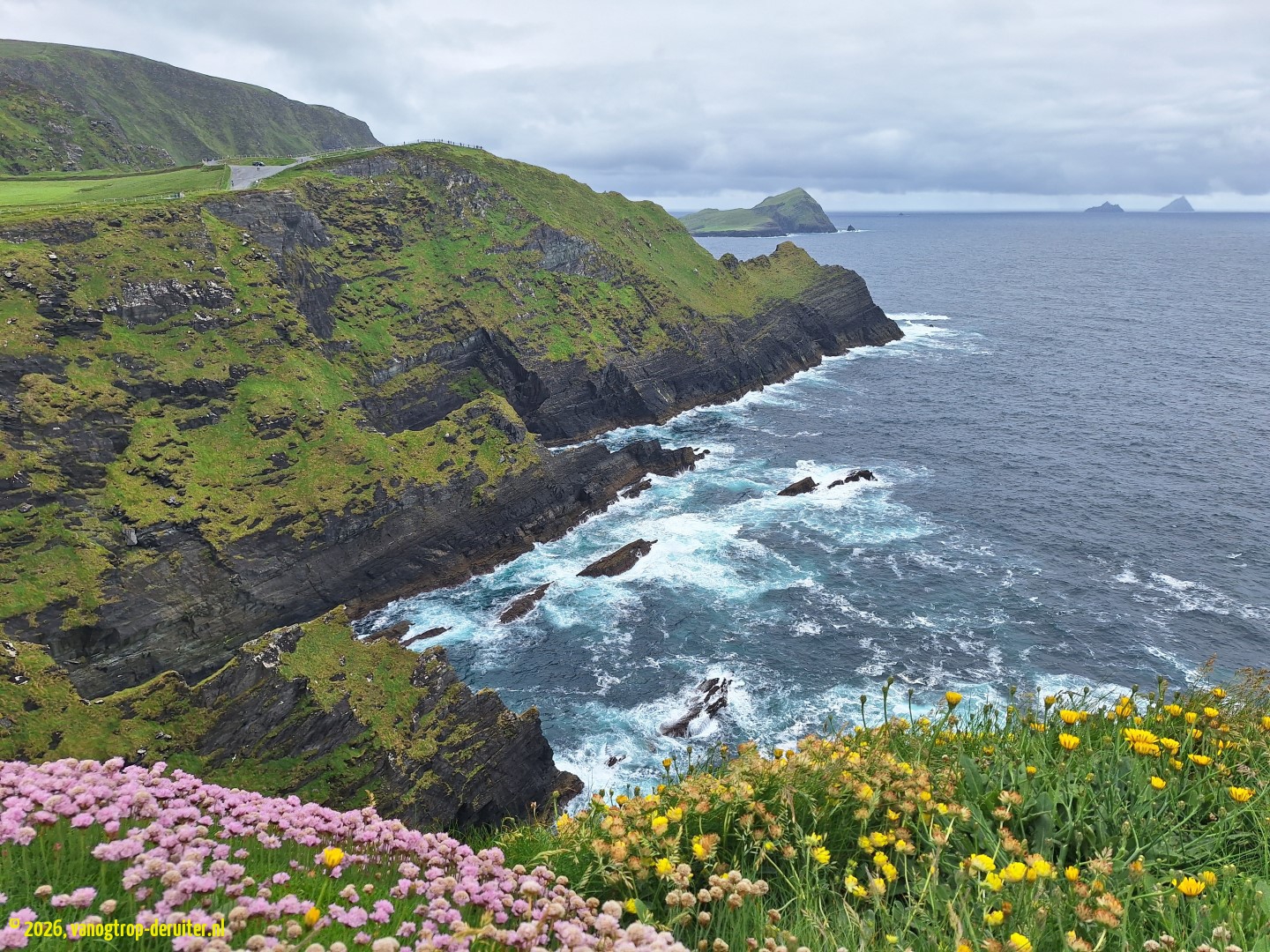
Our second daytrip was the Ring of Kerry – this one anti-clockwise from Killarney to Cahersiveen and Valentia Island (the European endpoint of the 1st trans-Atlantic cable connection in 1866); then from Portmagee to Ballinskelligs and Waterville, with a stop at the Cliffs of Kerry; and returning to Killarney via Sneem and Moll’s Gap. Both daytrips followed the Wild Atlantic Way, and unfortunately no puffins to be seen (in other words, nuffin’ … 🙁).
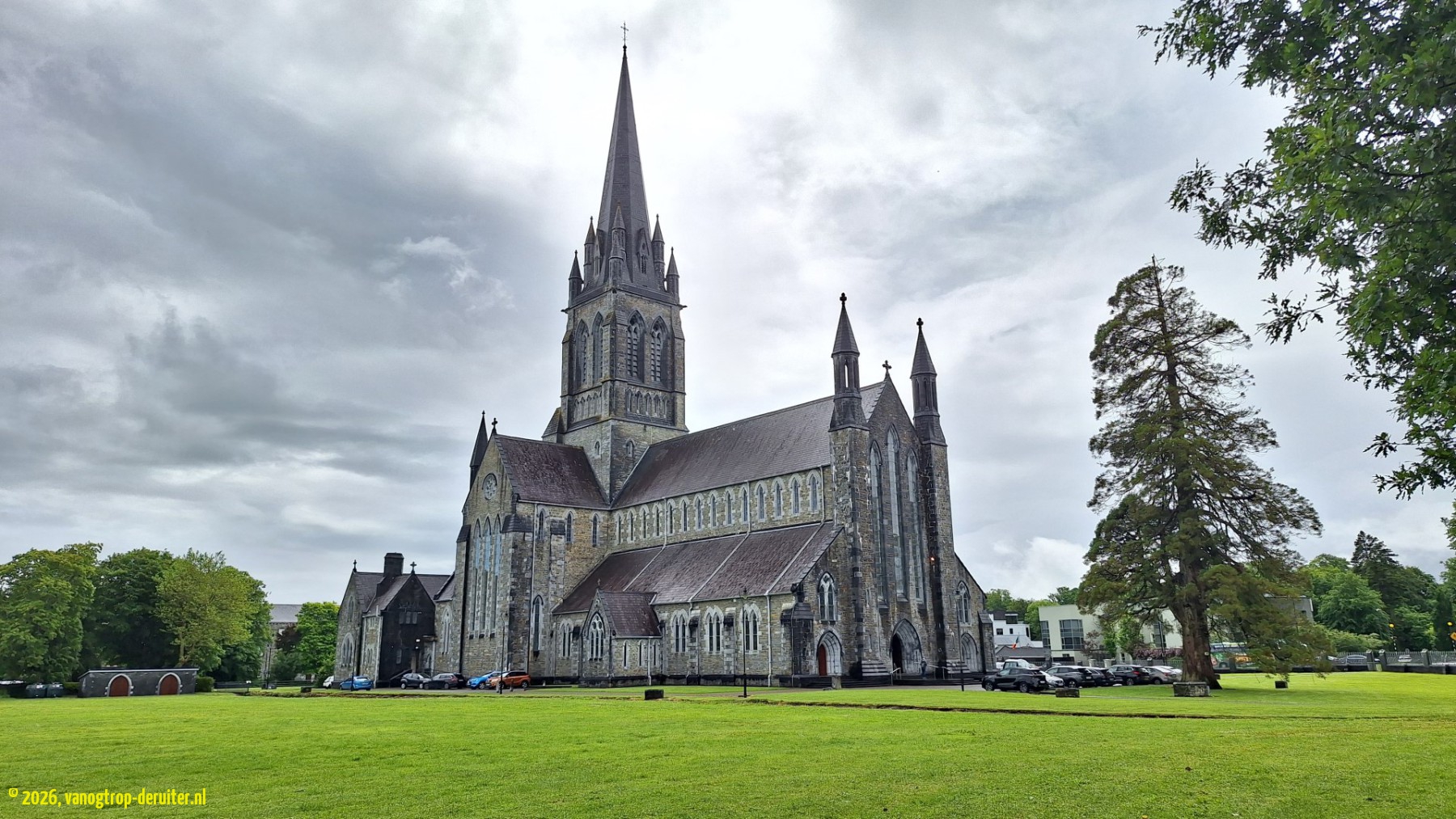
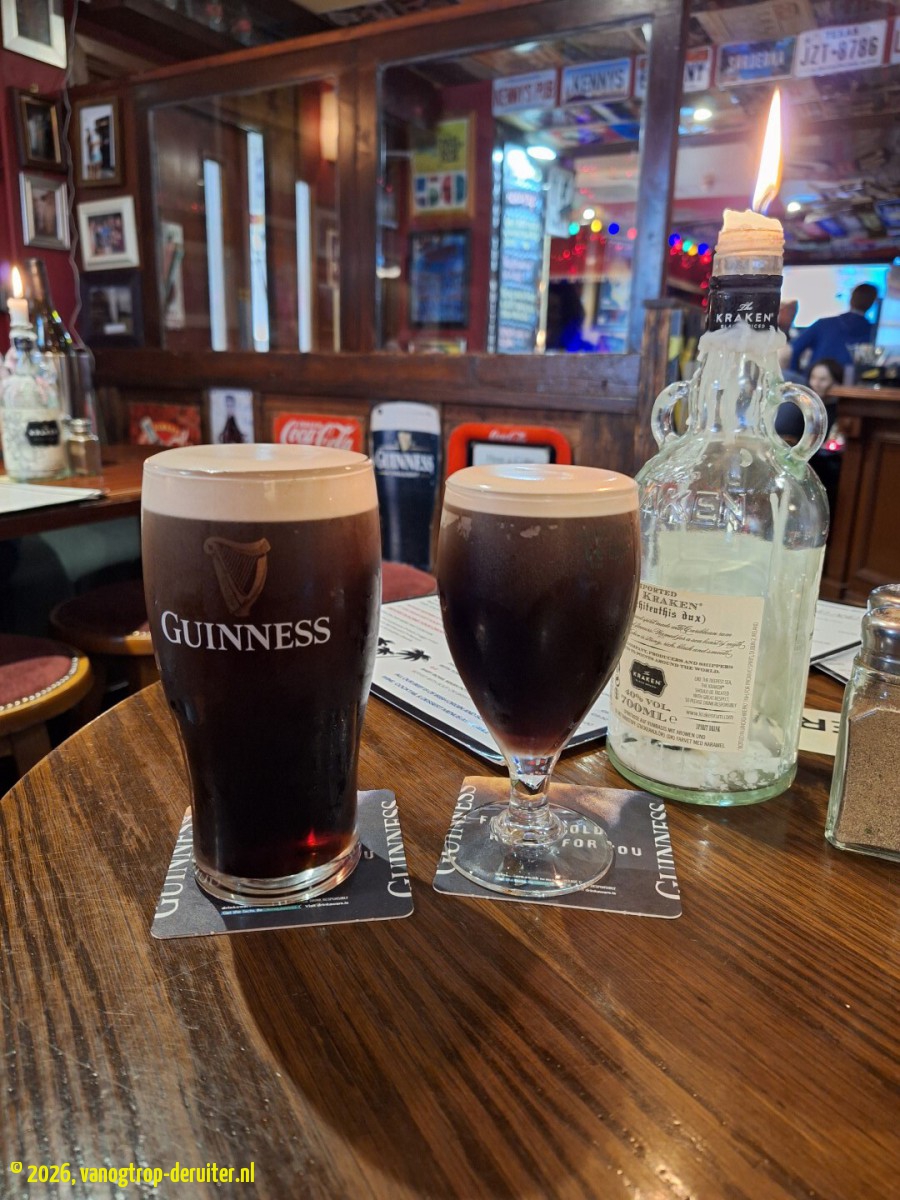
Killarney itself offers enough to see, from St. Mary’s Cathedral & St. Mary’s Church to the Franciscan Church & Friary; we had our first proper pub-grup here, appropriately accompanied by Guinness.
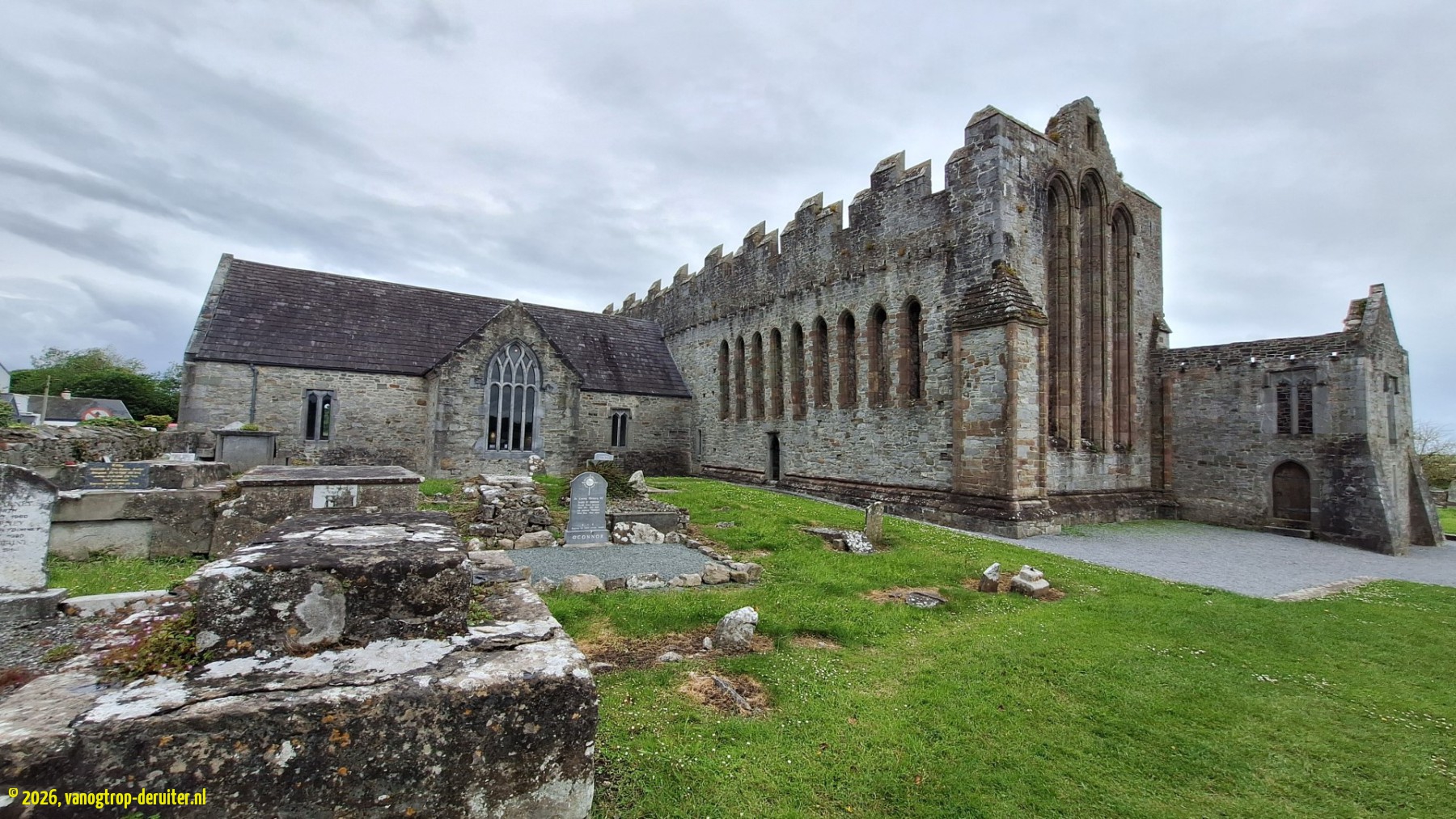
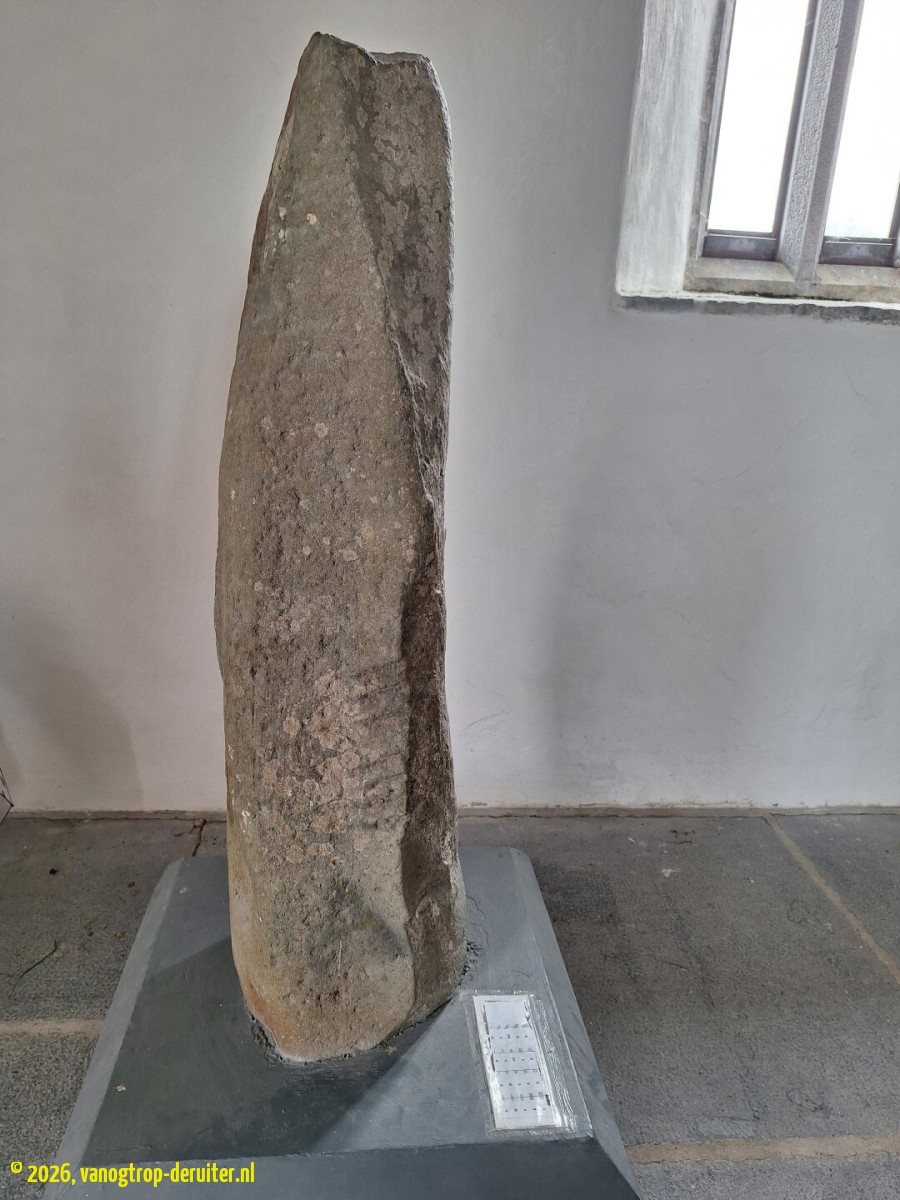
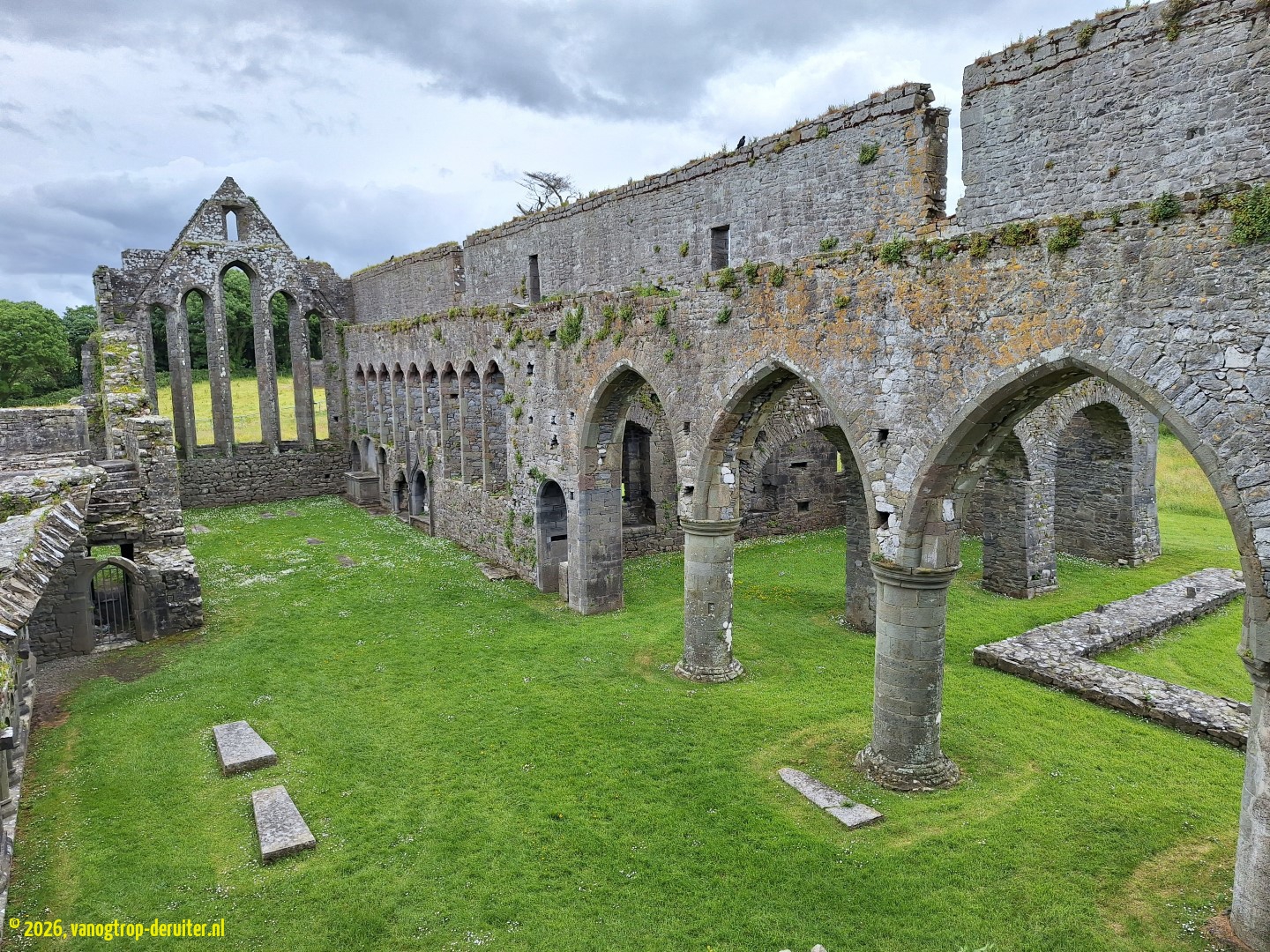
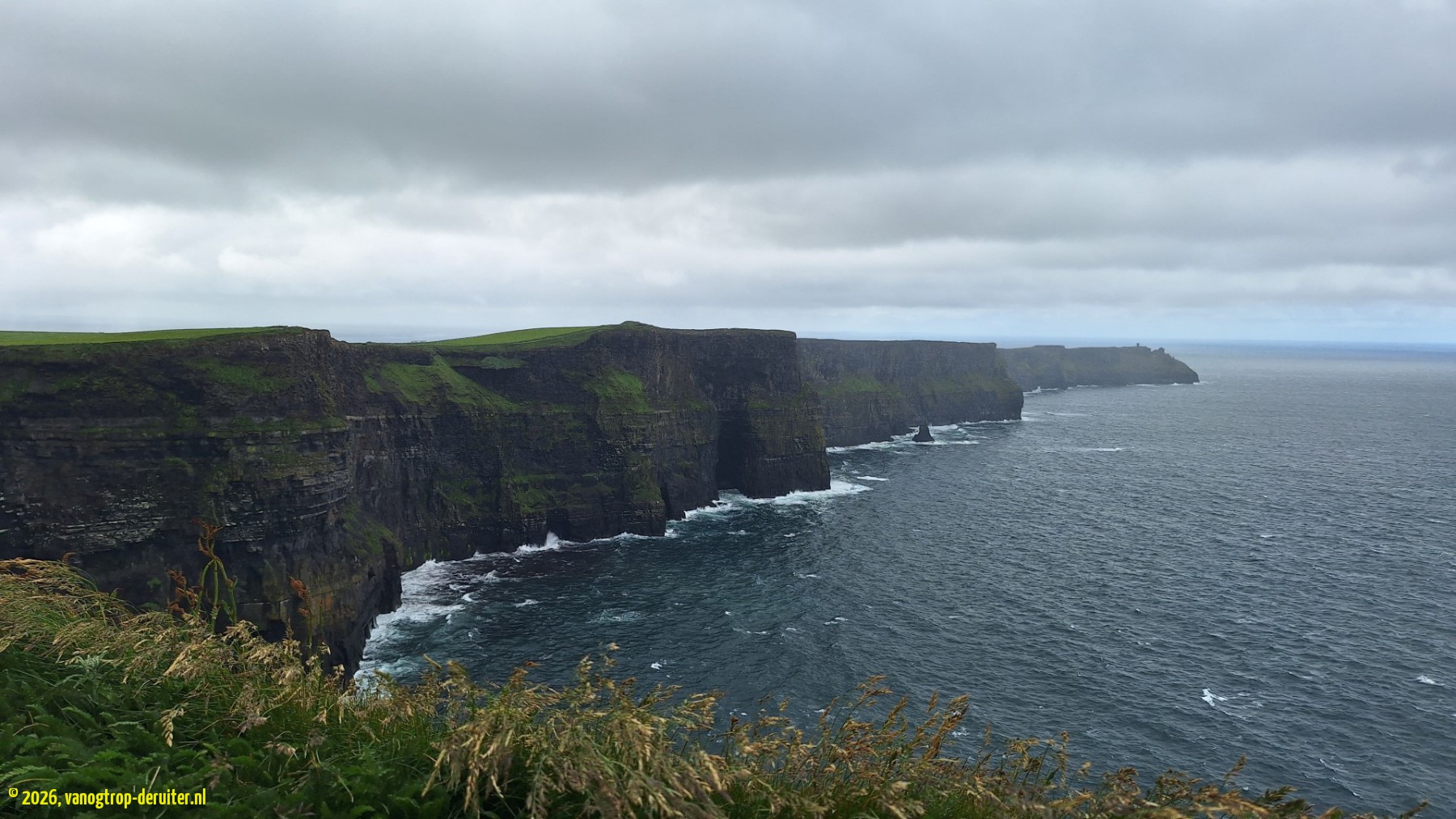
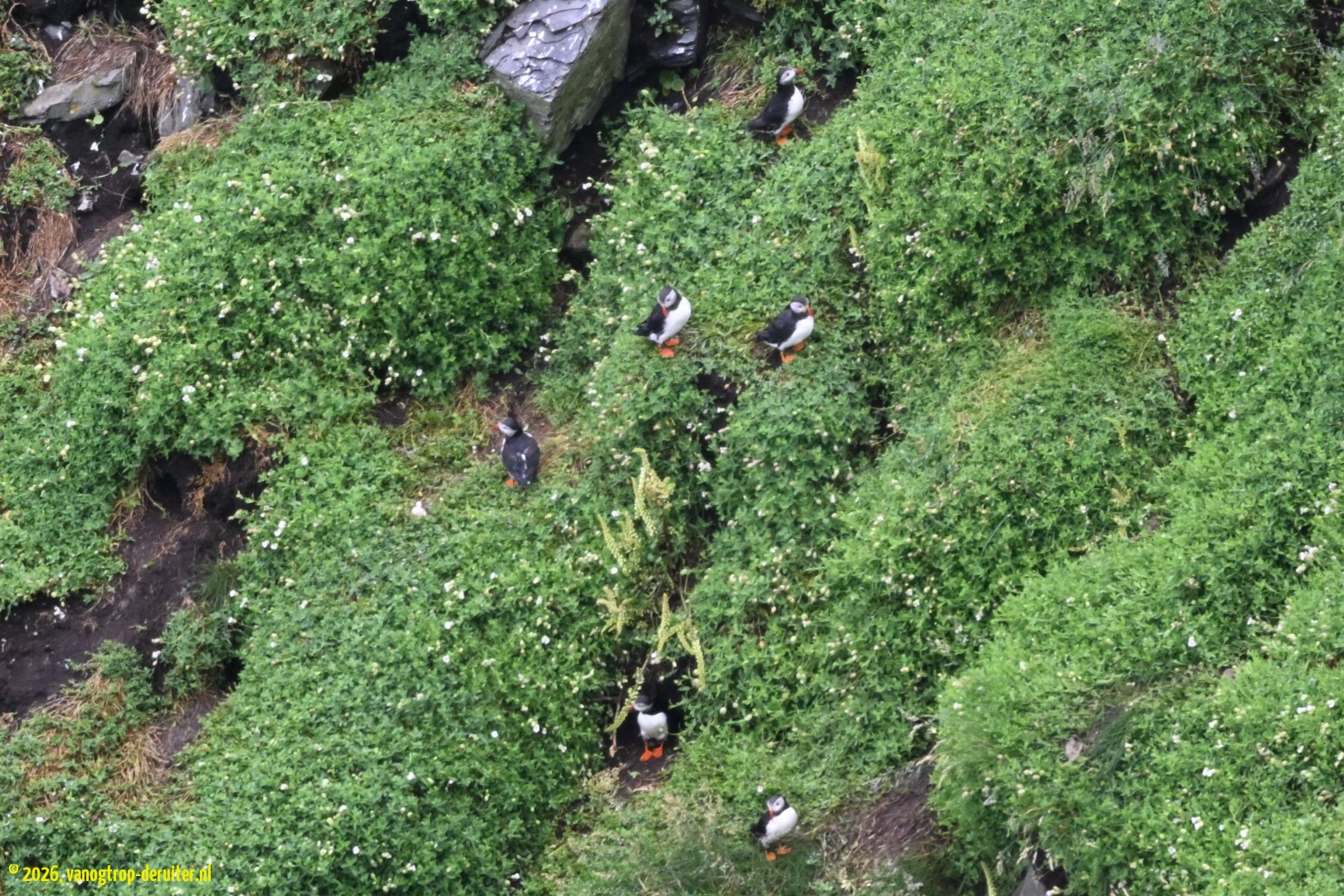
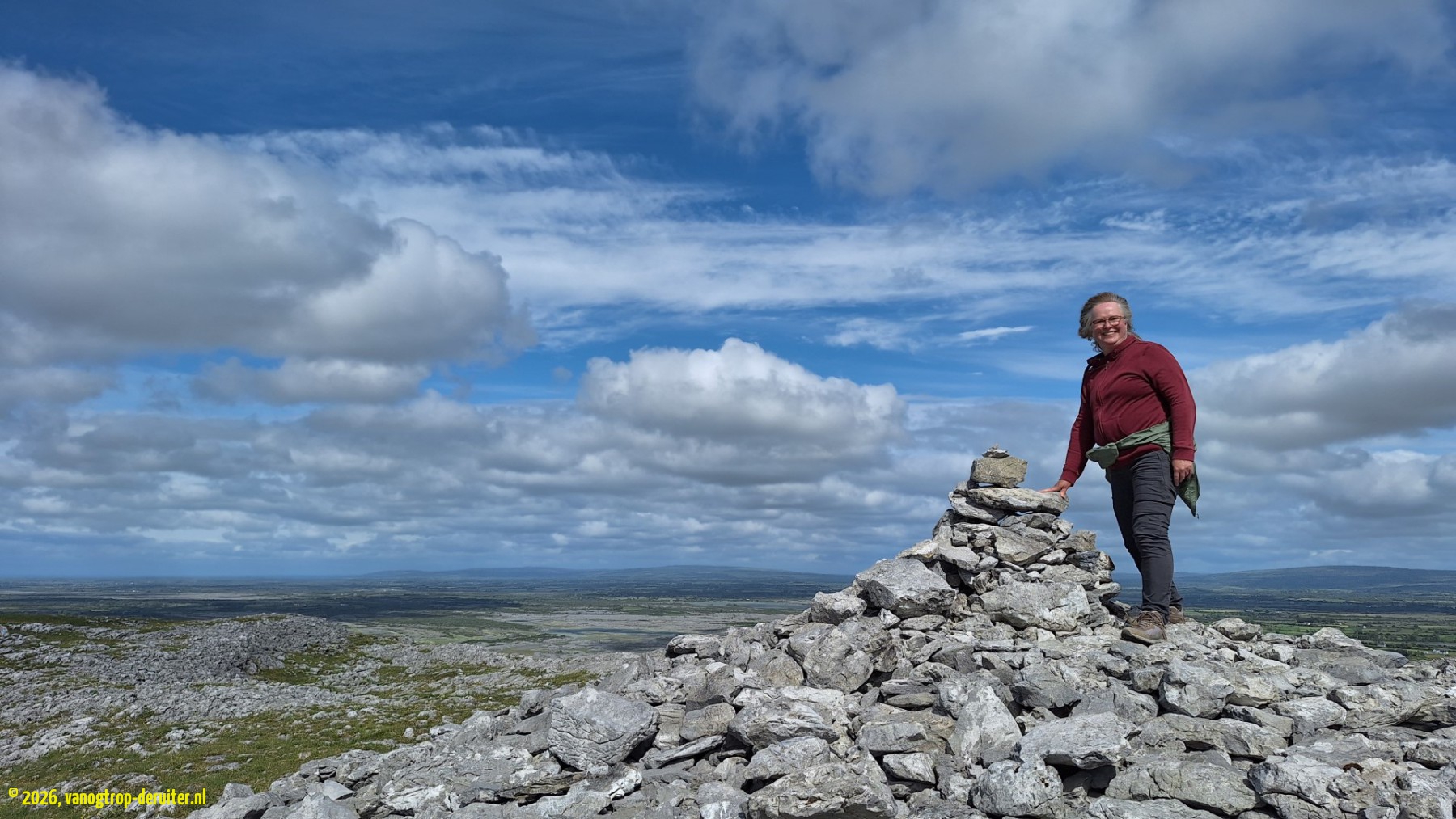
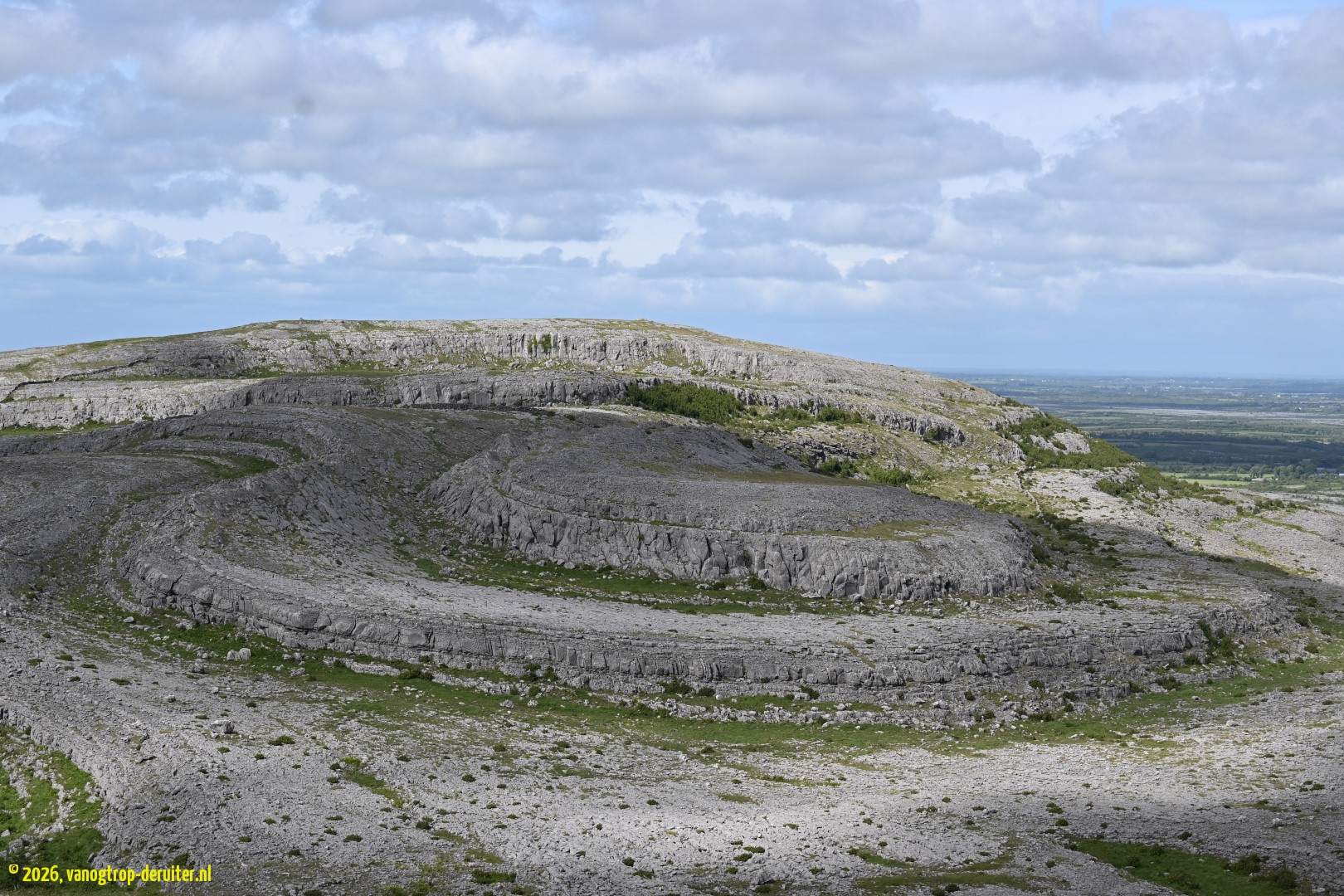
From Killarney we headed north via Tralee, stopping off at the Blennerville Windmill (not too interesting for us … 😉) as well as at Ardfert Cathedral – this was impressive, with the layers of history and in introduction to the Omagh stones. We also visited Ardfert Friary before taking the tourist route (following the Wild Atlantic Way) all the way to Limerick, driving close to the Shannon estuary. Here we had some motorway miles before heading off through Ennis, Inagh and Ennistymon to our next overnight stop in Lahinch. Here we had planned for 2 full days, but ended up visiting the Cliffs of Moher (high, rugged cliffs, and enough puffins …!) and hiking in The Burren National Park (an interesting moon-like limestone landscape) on the same day. What to do with the remaining day and dreary weather forecast? Join the locals in the pub for the provincial (Munster) hurling final … 🙂
It was interesting, to say the least …!
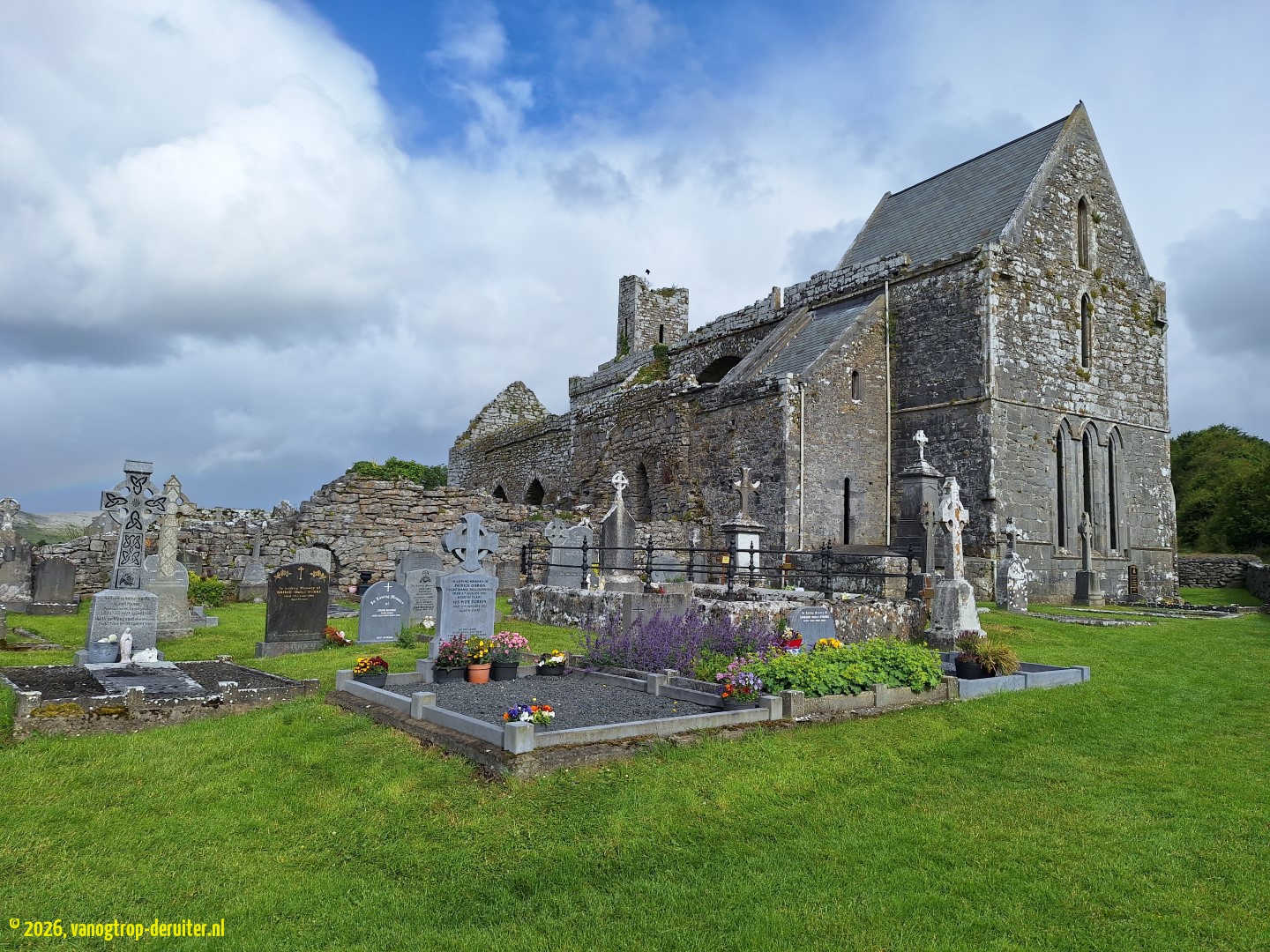
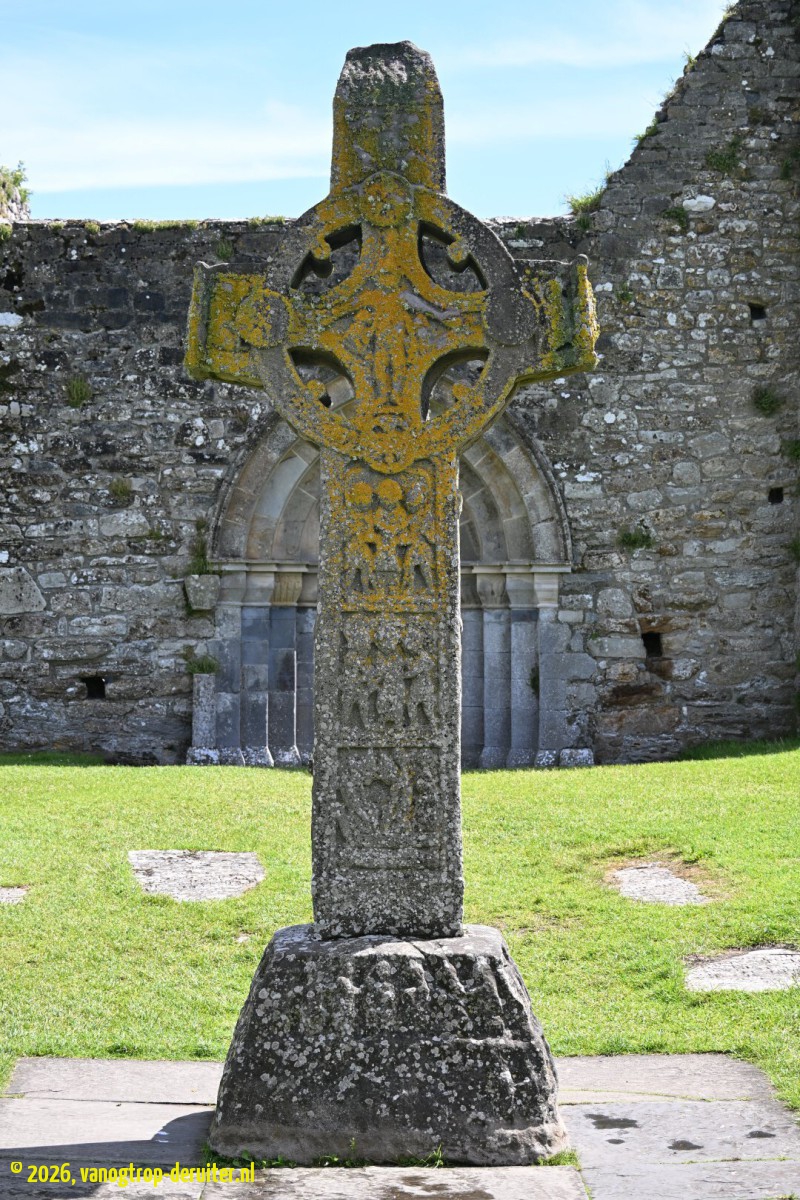
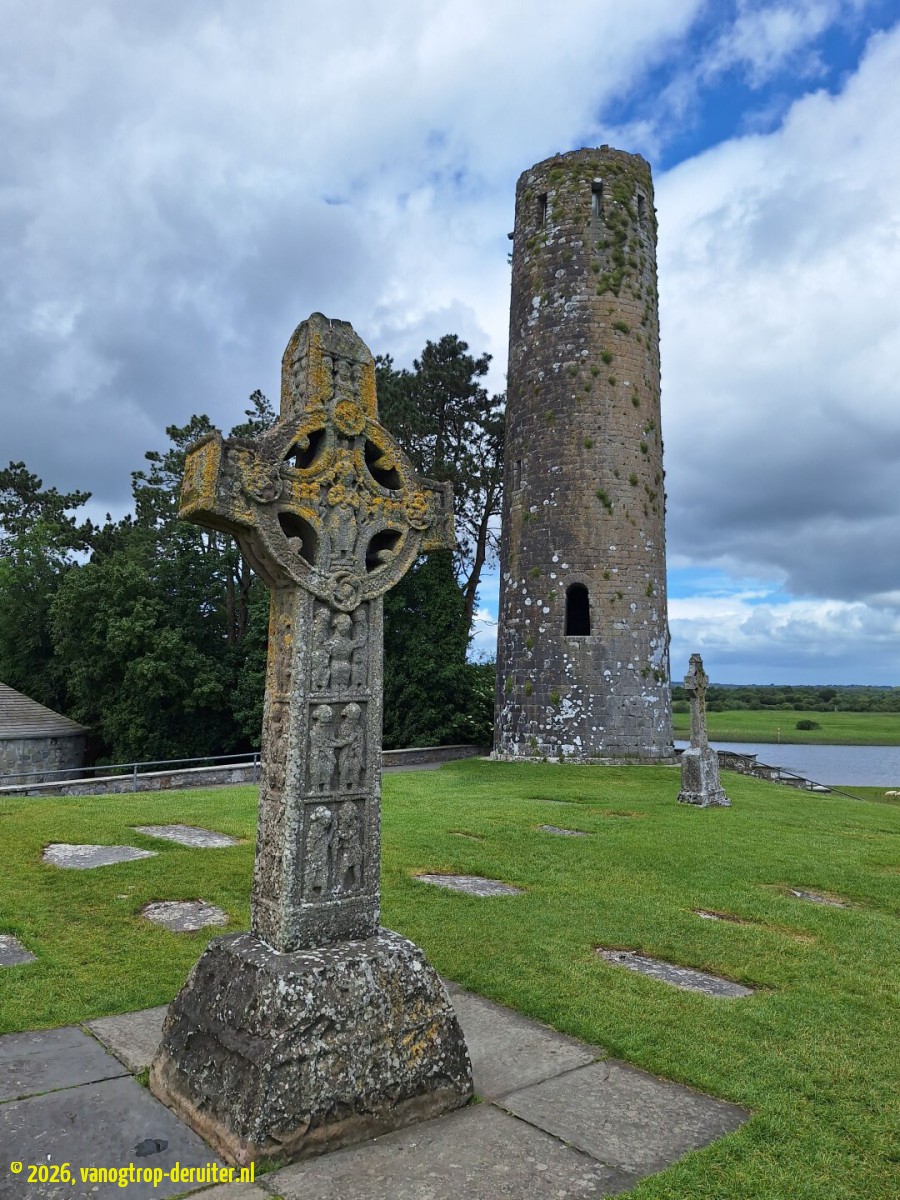
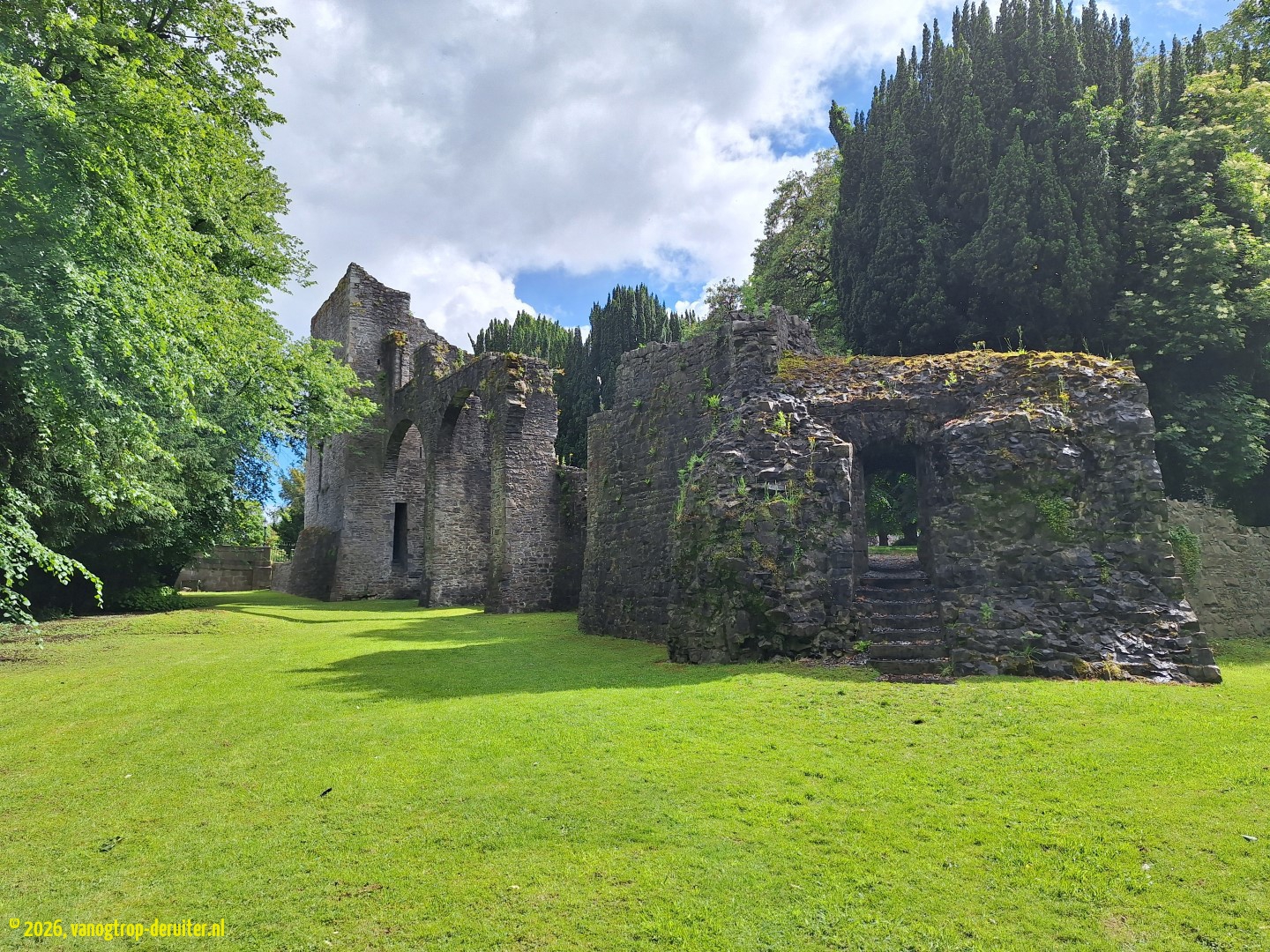
From the west coast our route was towards Dublin, with 3 planned stops along the way: Corcomroe Abbey, the Clonmacnoise Monastic Site, and Maynooth Castle. All holding wonderful history, the trend of our holiday!
Our overnight stop in Dublin was at the Glasnevin DCU residence; close enough to the city to allow for public transport in and out for our sightseeing day. We had a whole lot on the list, and managed most of it …!
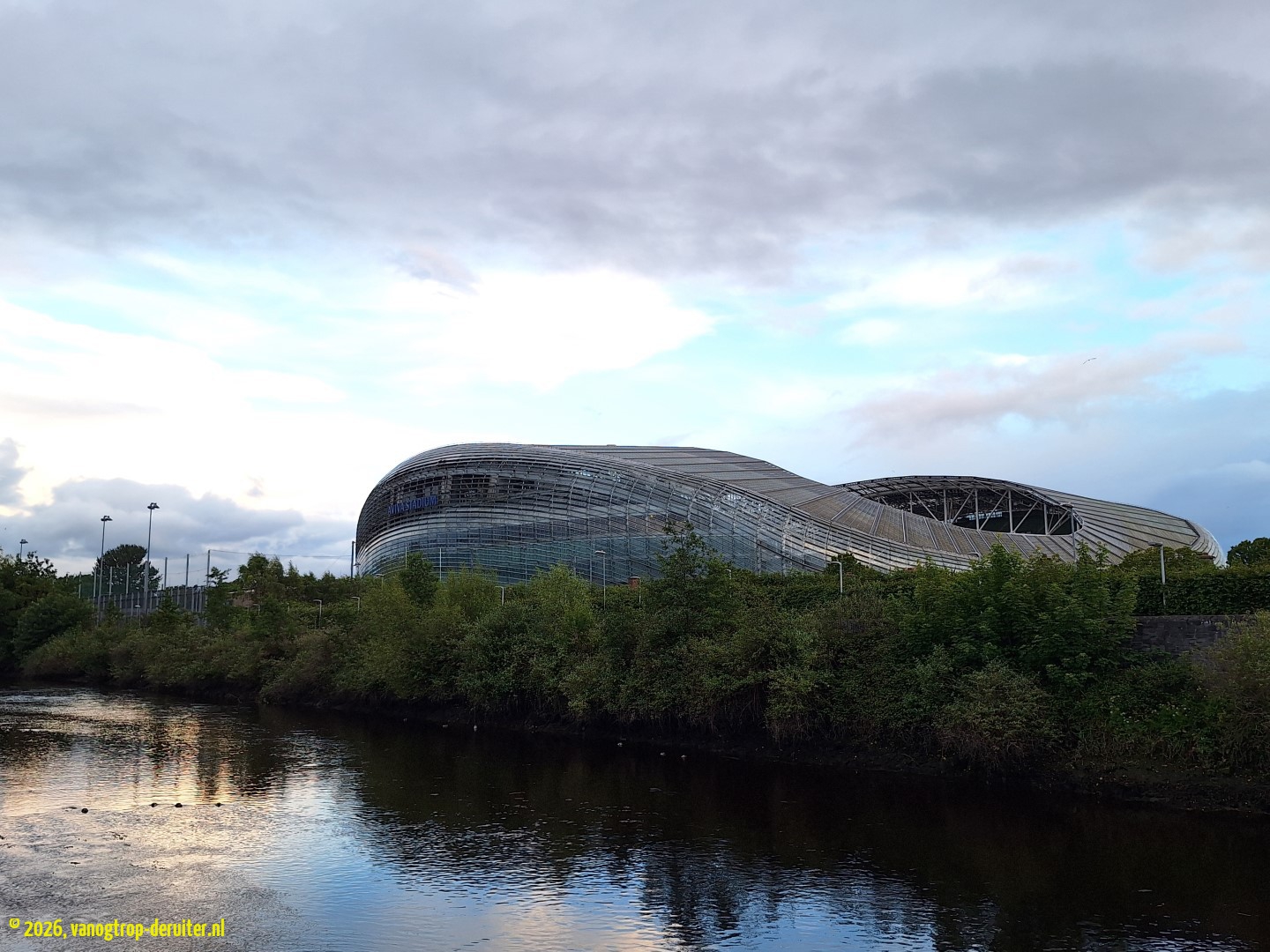
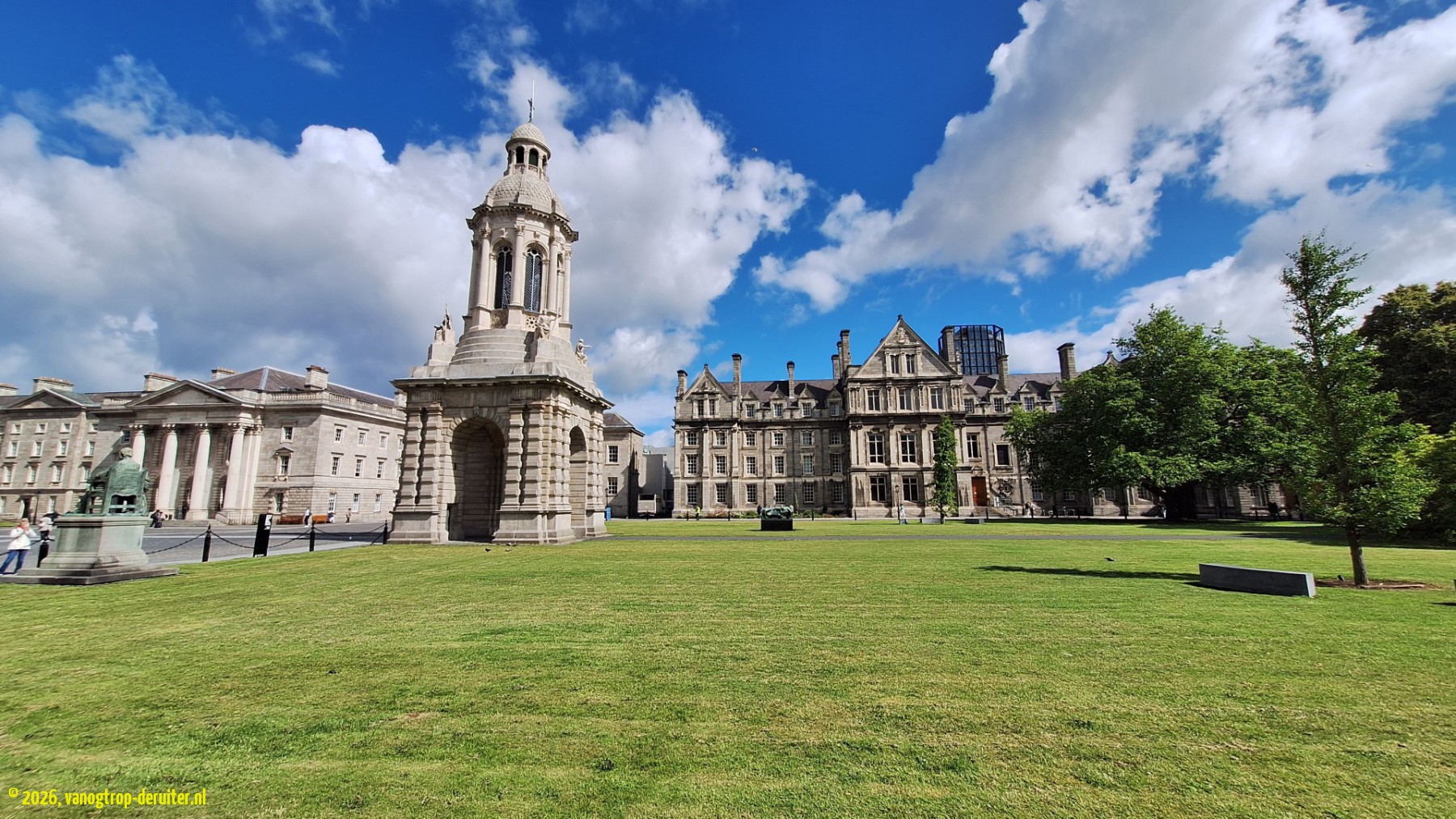
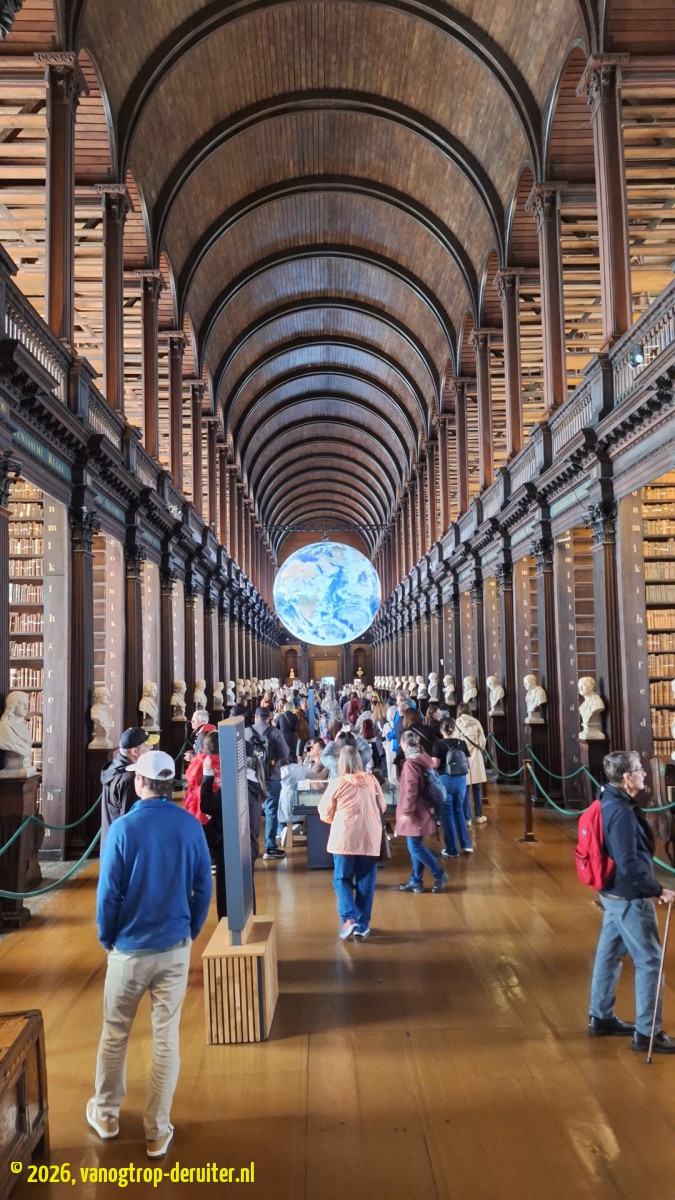
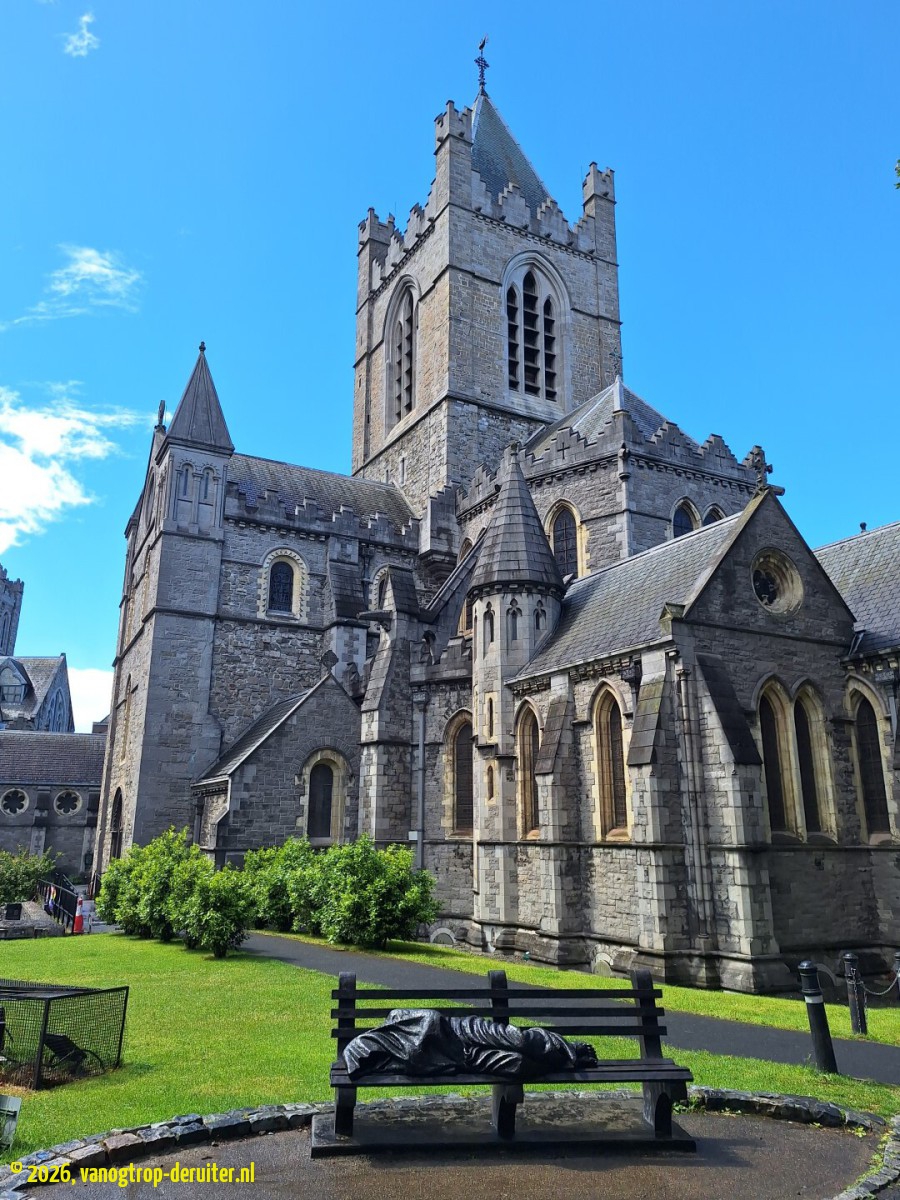
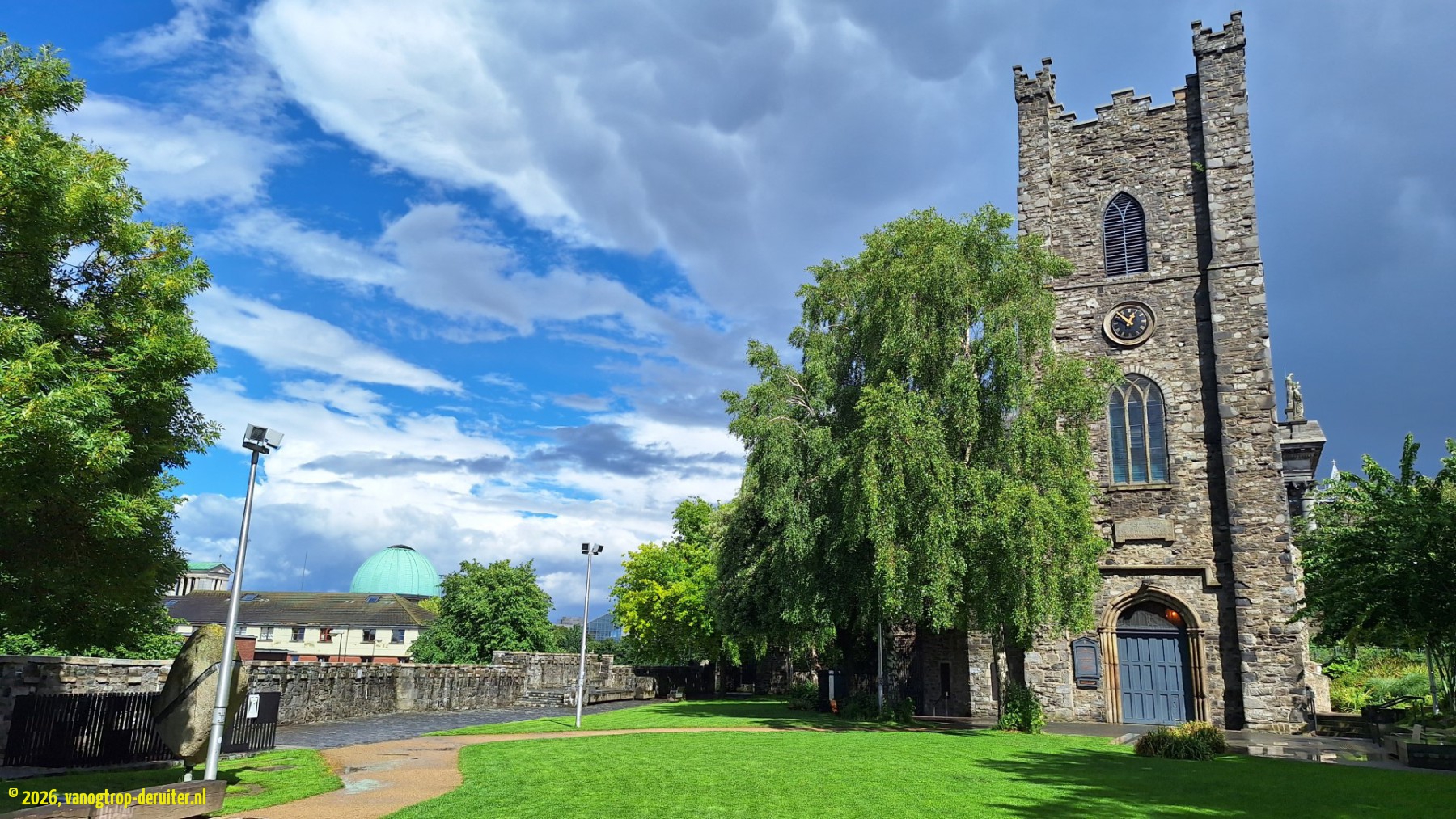
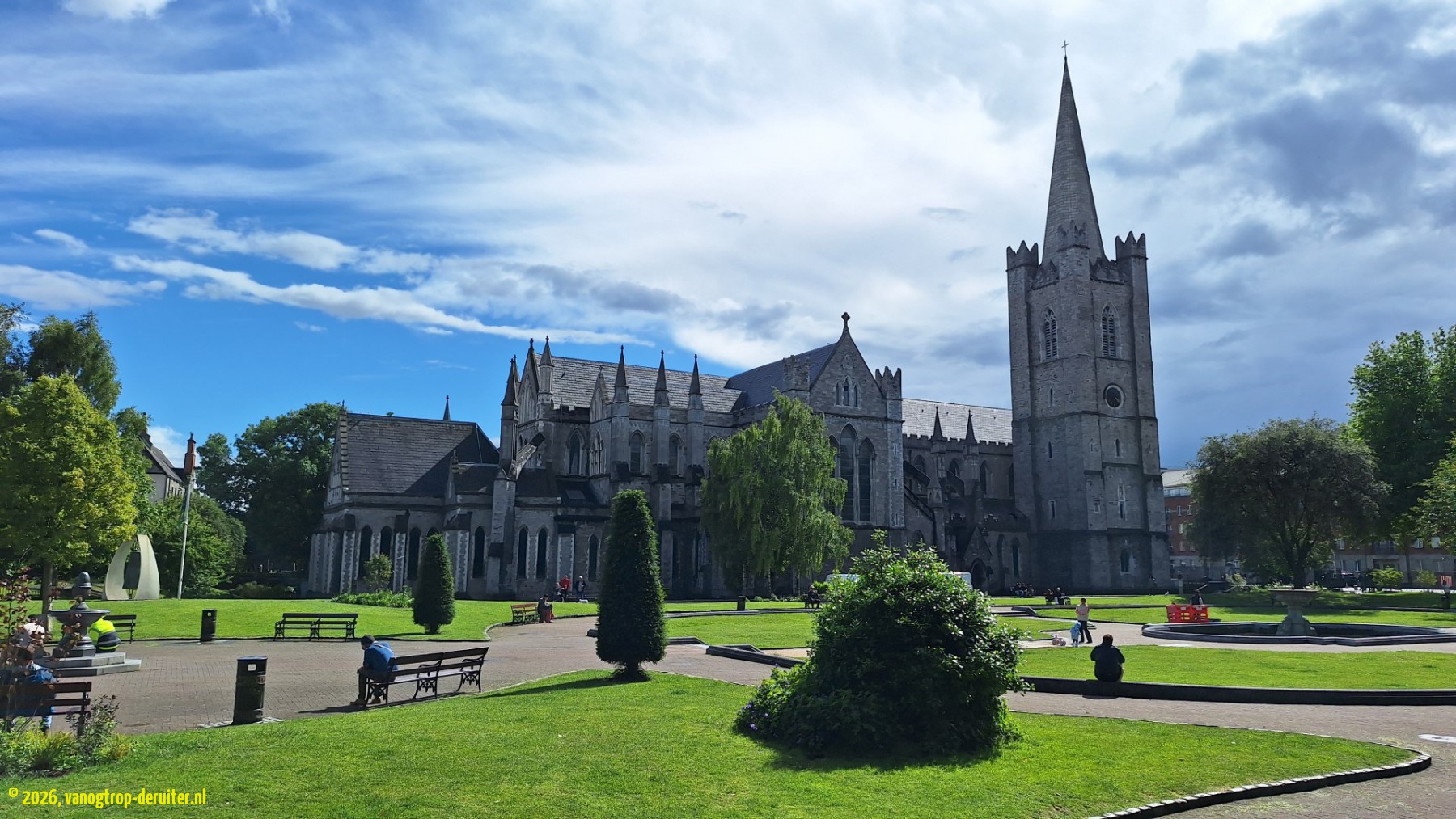
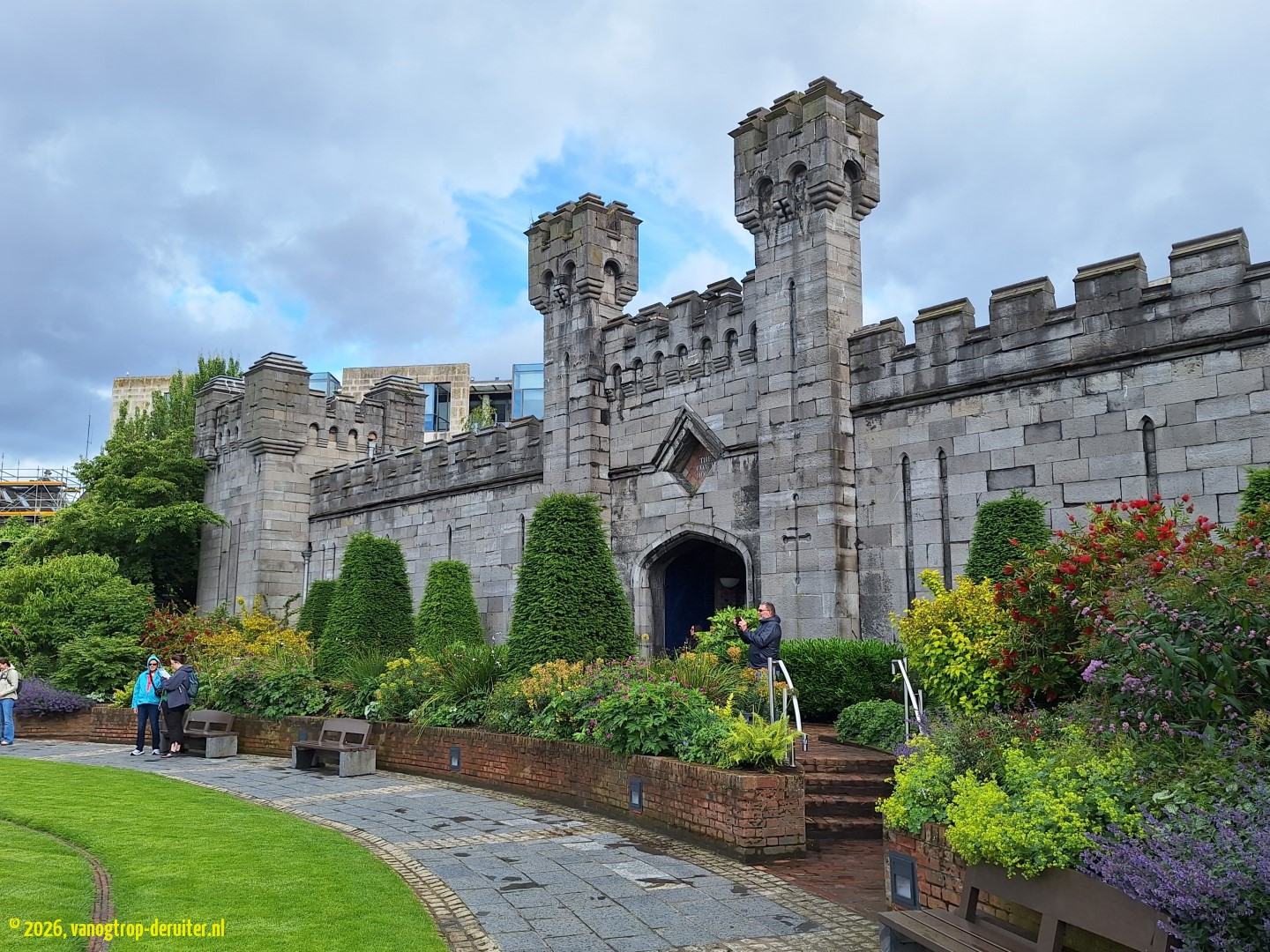
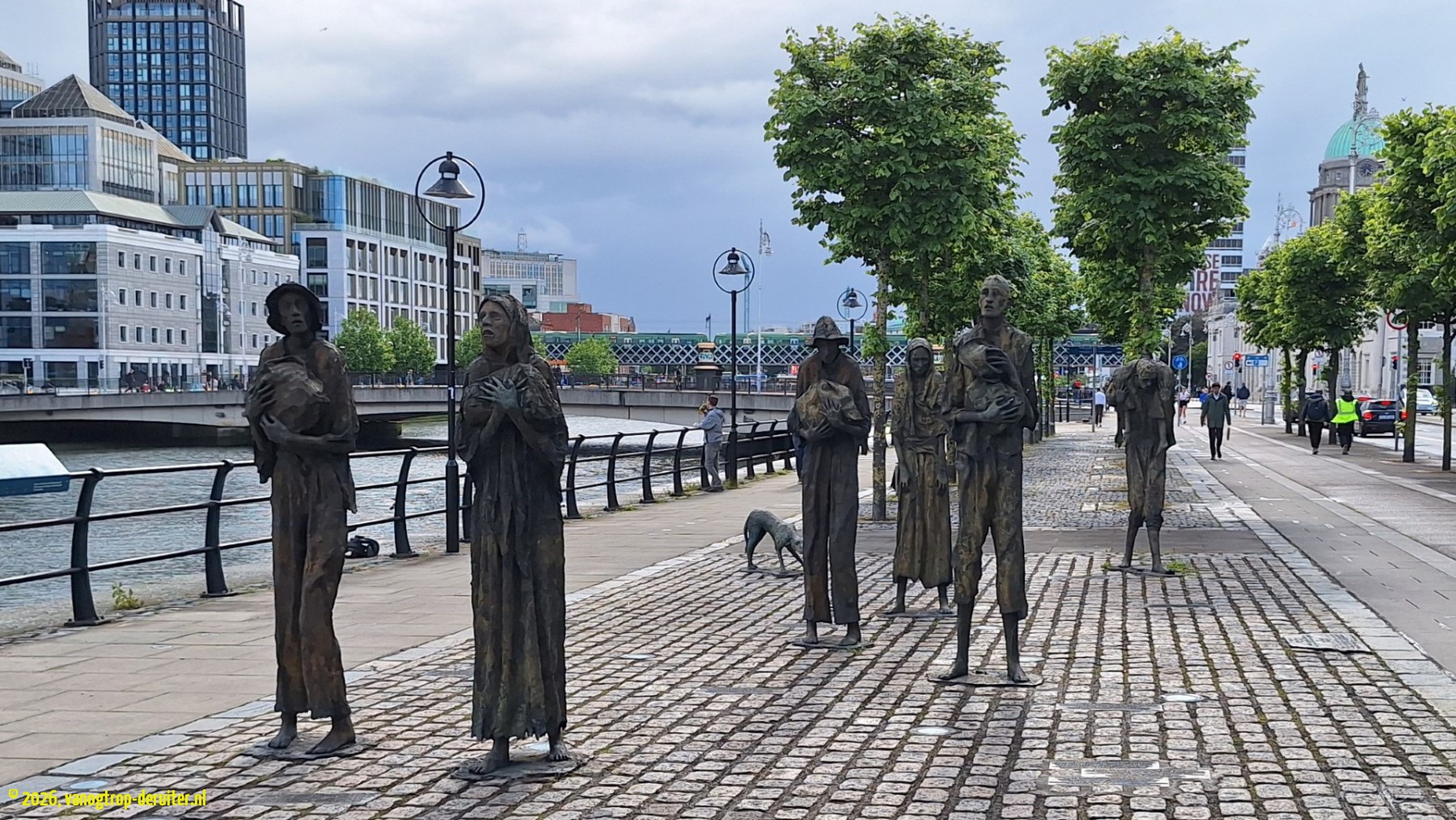
The Trinity College library, with The Book of Kells and the Long Room were well worth the visit, and extremely impressive; we also managed to view the National Museum and the rugby temple on Lansdowne Road! Our city walk took us past both cathedrals (Christchurch & St. Patrick’s, both unfortunately closed to the public), St. Audoen’s Church, City Hall (also closed … 😕), Dublin Castle and the Dubh Linn gardens; we partook of an appropriate Guinness in Temple Bar, and then on to Ha’penny Bridge, Custom House and the Famine Memorial. A pub dinner wrapped up our Ireland visit, with an early start to get the ferry to Holyhead.
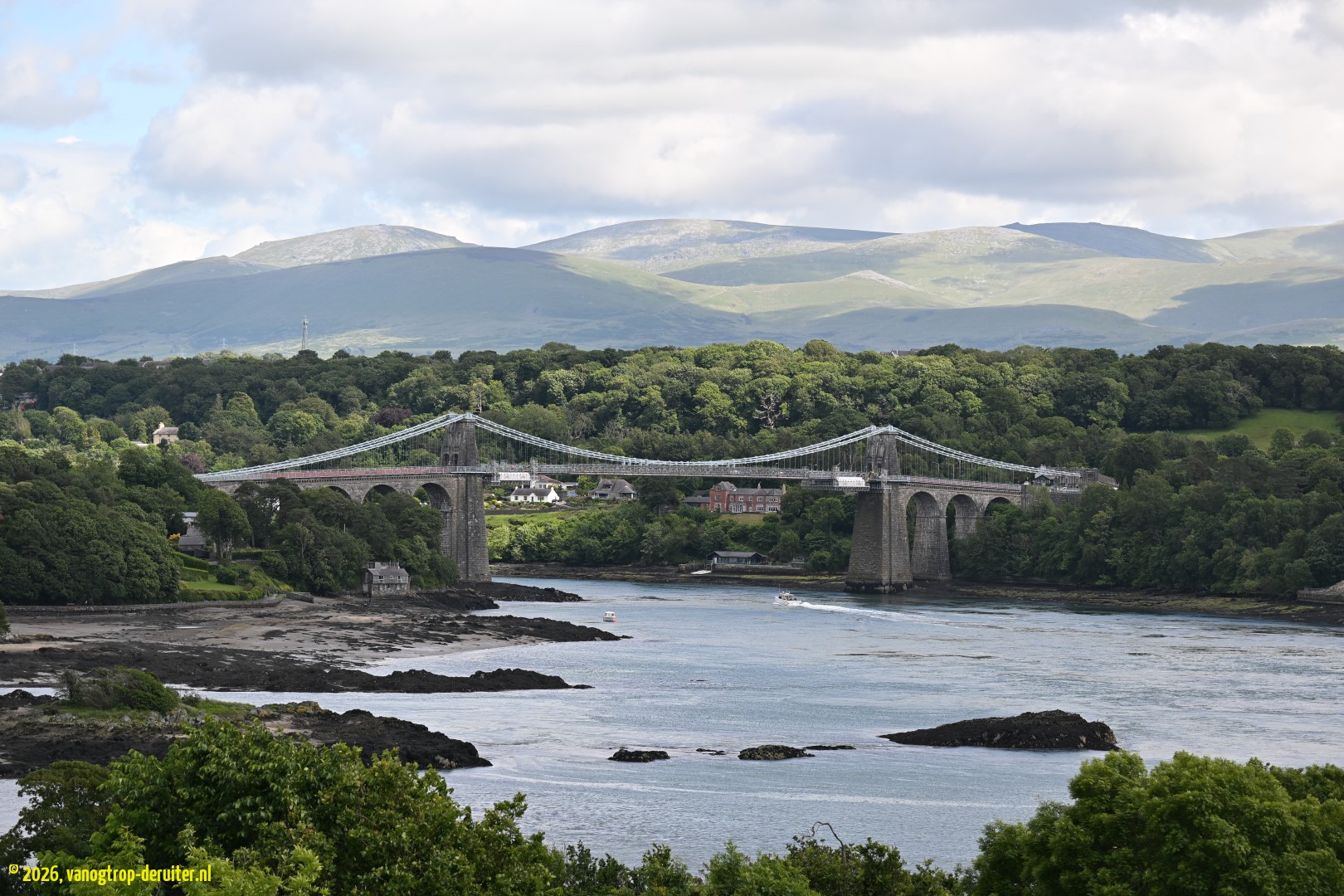
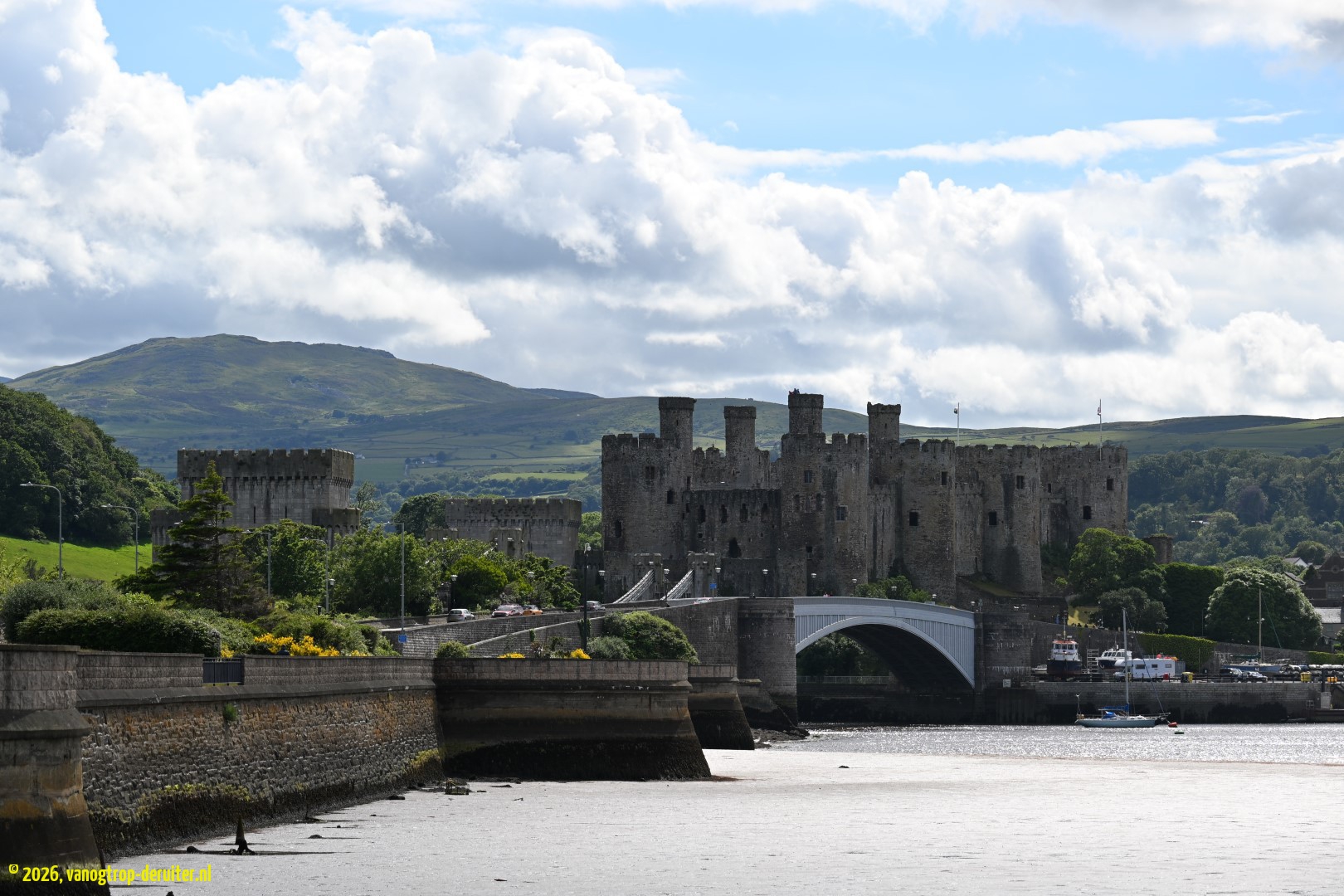
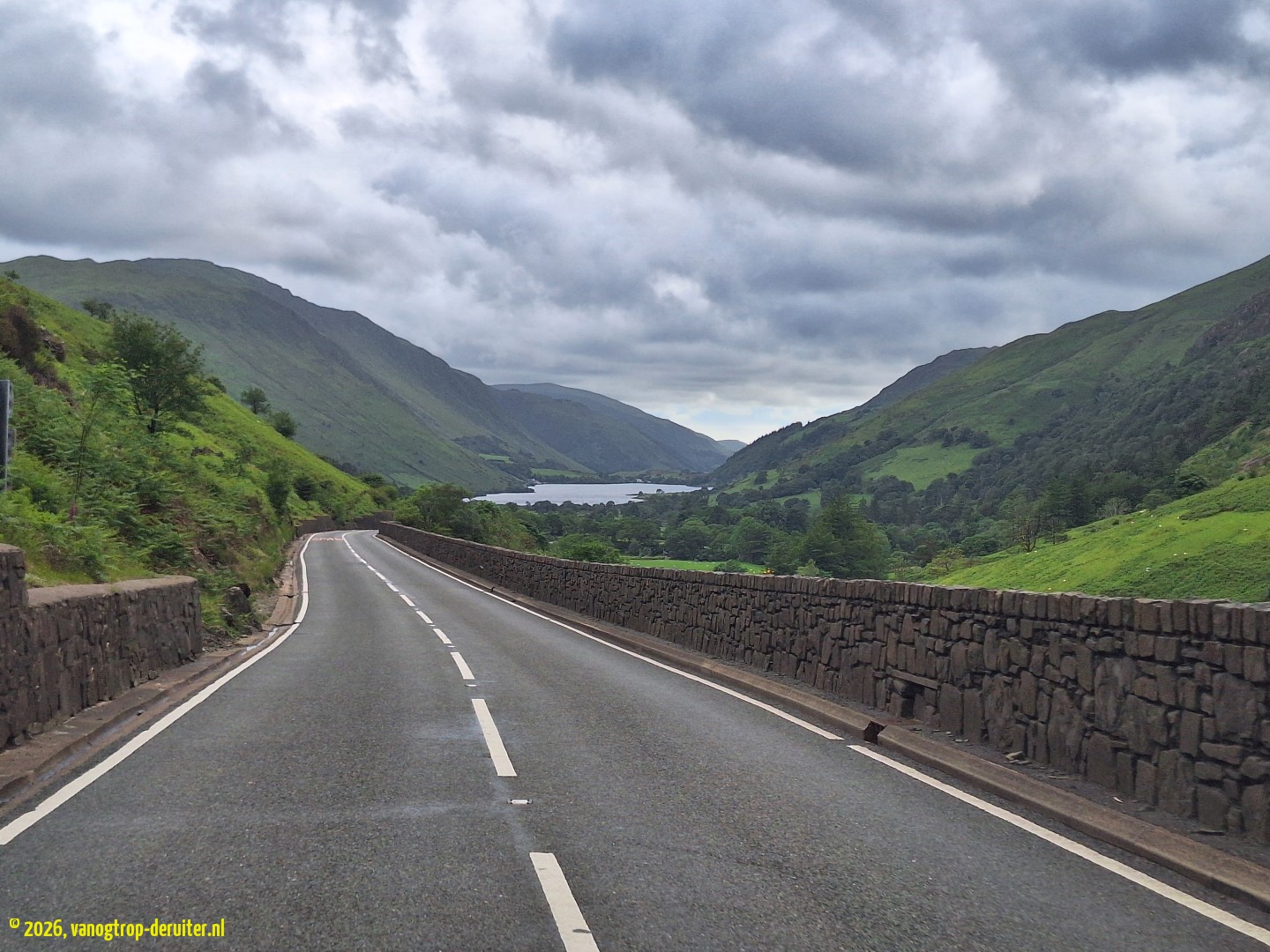
We had already chosen to drive a part of the Cambrian Way to get to our overnight destination just south of Machynlleth, and so headed off towards Conwy to pick up the route – stopping off on the way to view, and then to drive across the Menai Bridge in Bangor (built by Thomas Telford in 1826), as well as a short beach walk at Conwy Morfa beach. Conwy Castle is impressive, it’s location on the riverside makes for such a picturesque view. Our subsequent route through various Welsh valleys and the Eryri National Park was lovely, with intermittent views of Yr Wyddfa (Mount Snowdon), and took in Betws-y-Coed, Blaenau Ffestiniog and Dolgellau.
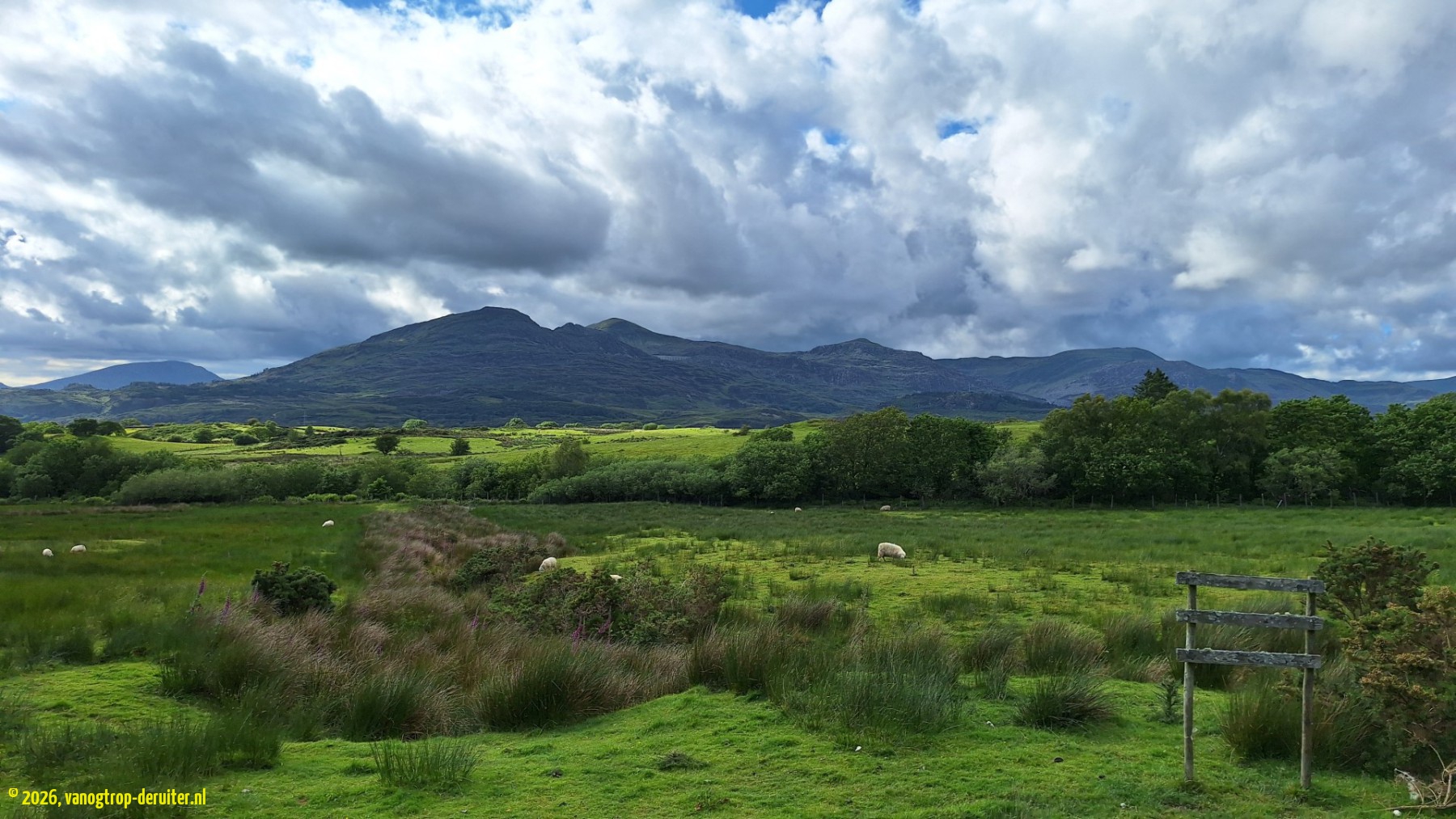
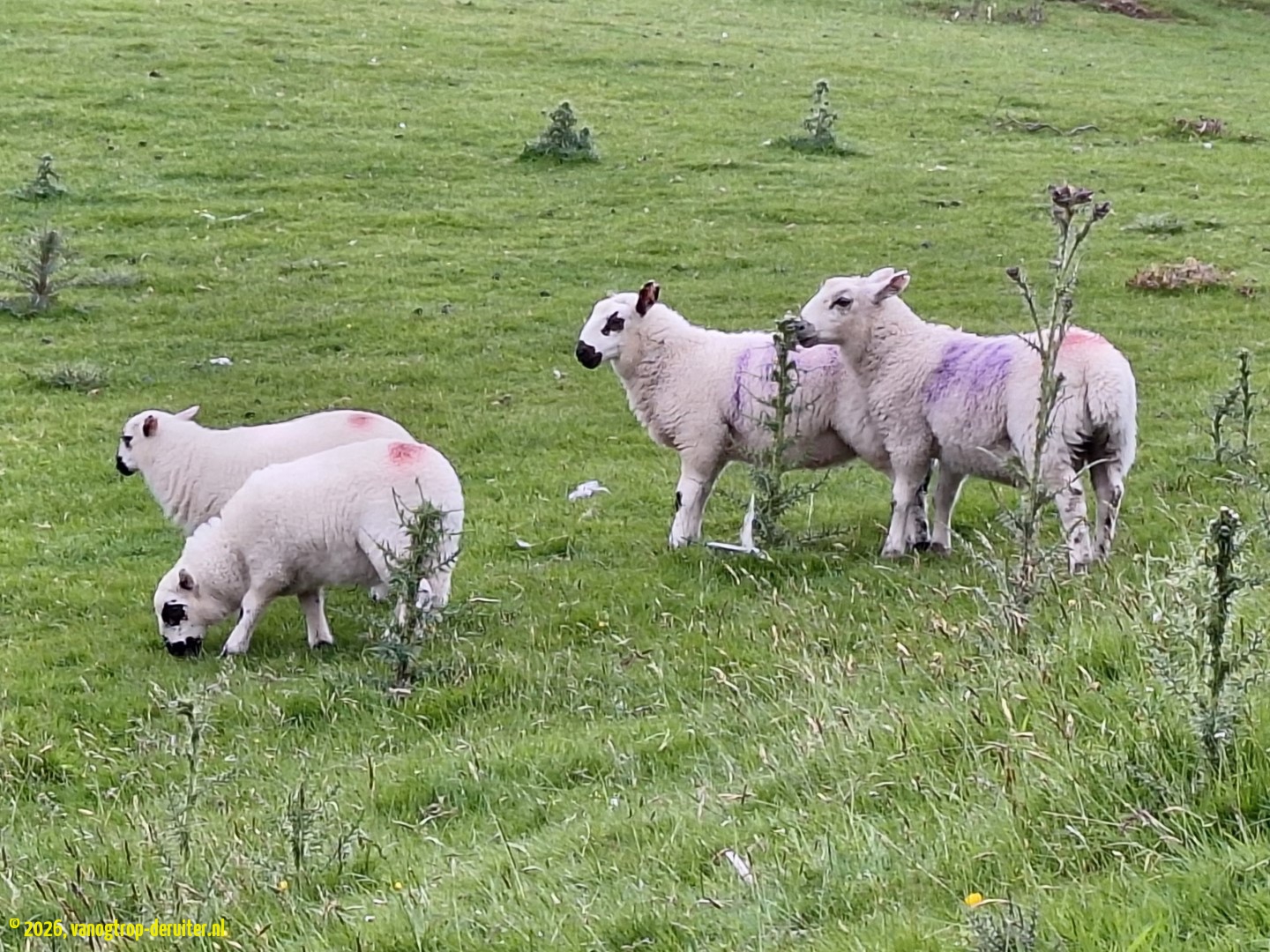
From our overnight stop we drove a back-route via Newton, Knighton (with a brief lunchtime visit to Offa’s Dyke) and Leominster to Worcester; we enjoyed the valley drives, multitudes of sheep, and skirting the Shropshire Hills National Landscape. Beyond Worcester we took the motorway option to get to our penultimate overnight stop with Andrew & Linda, close to Oxford. It was really good to catch up with them and Hannah and, truth be told, it was too short a stay before we were bound for Maidstone for our last holiday overnight stop. We rounded off our holiday with a pub dinner, and our last morning was spent doing a shopping trip (sourcing our UK staples for back home, like tea, chutney & cider), and we got to the Le Shuttle terminal in Folkestone with so much time to spare that we were assigned a place on an earlier train. An uneventful Channel crossing and no adverse traffic in France, Belgium or the Netherlands meant that we were back home in the early evening … 🙂
We look back on a wonderful trip, and many great memories; our slow-down mode was a great choice and certainly contributed to our immense enjoyment of what Ireland has to offer; and our choice of self-drive (±4.600km travelled) gave us so much more flexibility over a fly-drive alternative. We are also well aware that there is more to be seen in the north; we’ll keep that for a next trip … 😉
Suggestions to those of you enthused by our trip …:
- consider purchasing an Irish OPW Heritage Card; for us the €40,- p.p. expense was more than redeemed by our various visits
- consider, as we also did, a whole week in the south-west; we found it relaxed to be able to drive the Ring of Kerry as well as the Ring of Beara with sufficient time in between; Killarney and the adjacent Killarney NP have more than enough to see on the other days
- visit high-tourist locations like the Cliffs of Moher and the Rock of Cashel early in the day, simply so as to have less people polluting your pictures … 😉
📷 A photo gallery with more photo’s is available here.